REVIEW · NICE
Nice: Sunset Food Tour with Full Meal and Wine
Book on GetYourGuide →Operated by _Do Eat Better Experience · Bookable on GetYourGuide
Sunset in Nice is better with food in your hands. This guided walking tour strings together Provençal classics with real city context as you meander through the old center at golden hour. I especially love the mix of tastings (from chocolate and olive oil to socca and pissaladière), and I like that the guide connects what you’re eating to why Nice eats it. The one drawback: it’s a walking-and-standing evening, and it’s not suitable for people with mobility impairments.
What makes this work well is the pacing and the group size. You’ll start at Attimi near Place Masséna, then spend about 210 minutes tasting, stopping, and sitting down for a proper meal—max group size is 12, so it stays friendly. Plus, you get water and at least one alcoholic drink included, so you’re not constantly checking what costs extra.
In This Review
- Key points worth planning around
- Starting in Place Masséna: where the evening gets rolling
- The 210-minute plan: how the timing usually feels
- Chocolate first: a smart opening move in Nice
- Olive oil and tapenade: tasting Nice like a local
- Cheese and wine: the French pairing that actually works
- Socca: the crispy-soft chickpea pancake stop
- Pissaladière: onion pie with olives and anchovies
- Dinner at a local restaurant: where “food tour” becomes a meal
- Homemade ice cream to finish: the sweet reset near Place Garibaldi
- Price and value: what $102 buys you in the real world
- Who should book this sunset food tour, and who should skip it
- The guide factor: why this evening depends on the host
- Practical tips that make the evening smoother
- Should you book this sunset food tour in Nice?
- FAQ
- Where does the tour meet?
- How long is the Sunset Food Tour with Full Meal and Wine?
- What’s included in the price?
- What food will I try on the tour?
- What language is the guide?
- Is the tour suitable for people with mobility impairments?
- What size are the groups?
- Are pets or large bags allowed?
Key points worth planning around
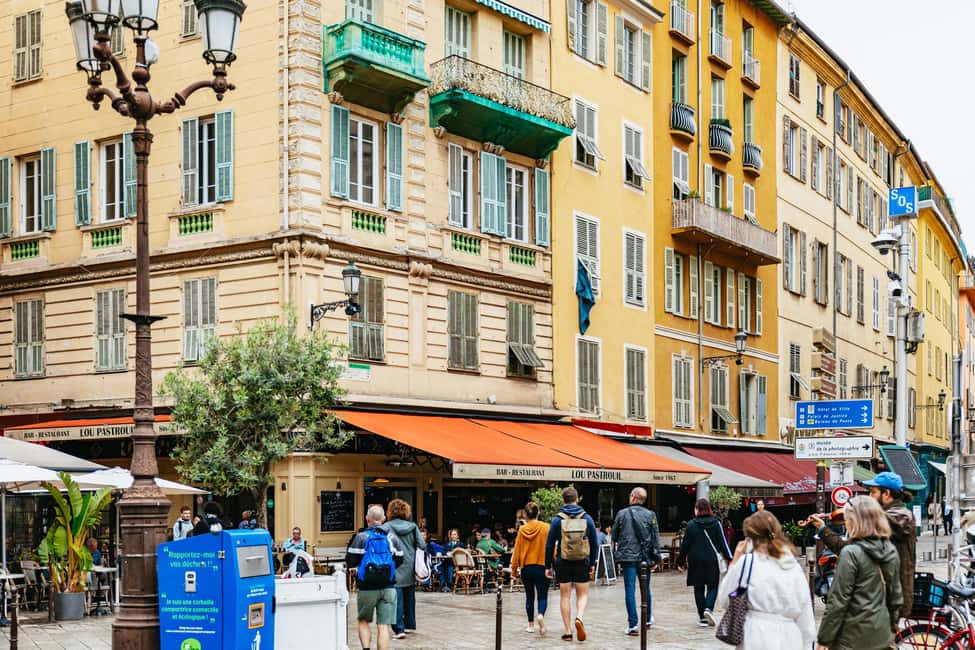
- A sunset-friendly route through the historic center, ending near Place Garibaldi
- At least 4 food stops plus a full restaurant dinner and a dessert finish
- Nice-specific flavors like artisanal olive oil, tapenade, socca, and pissaladière
- Food-and-history commentary as you walk past landmarks along the way
- Small group energy (max 12) with an English/French-speaking guide
- One included wine or alcoholic drink—good for pairing, not for heavy drinking
Starting in Place Masséna: where the evening gets rolling
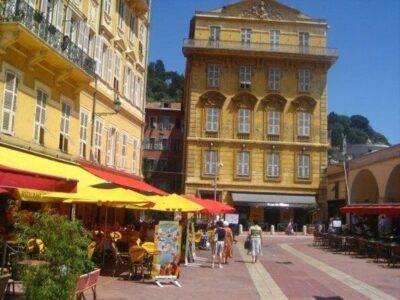
The meeting point is simple: Place Masséna, in front of the restaurant Attimi. It’s a great start because you’re already in the heart of Nice, and you don’t waste the first part of your evening hunting for your group. Since the tour ends at Place Garibaldi, the overall route feels like a loop through the most “Nice” areas without needing transport.
You’ll be with a live guide in English or French (and guides may switch between the two). Group size is capped at 12, which matters more than it sounds—smaller groups mean you actually hear the explanations, and you move at a human pace instead of getting swept along.
One practical point: you should show up with your bags managed. Luggage or large bags aren’t allowed, and pets aren’t allowed either, so plan to travel light if you’re combining this with other parts of your trip.
You can also read our reviews of more food & drink experiences in Nice
The 210-minute plan: how the timing usually feels
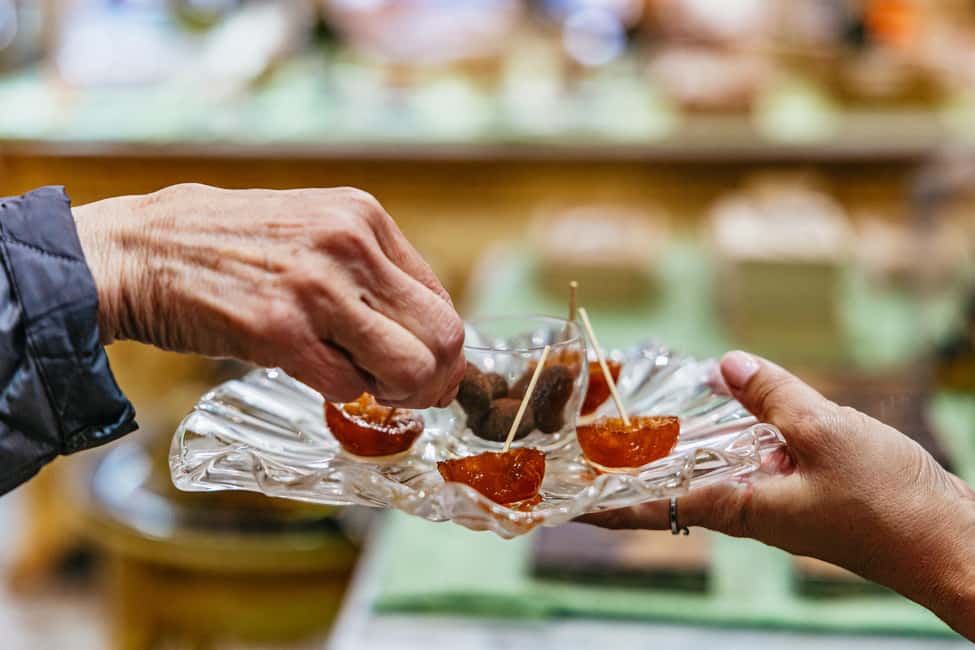
This is a 210-minute experience, so think of it as a 3.5-hour food evening with walking on both ends. The tour is built around short tastings and scheduled longer moments—so you don’t just “grab and go,” and you don’t end up with one giant line at one single spot.
Here’s the rhythm you’re signing up for:
- You start with a first tasting stop right away.
- Then you move through a couple of smaller food and street-style stops.
- You get a full dinner at a local restaurant.
- Finally, you wrap up with homemade ice cream near the finish.
Because it’s at sunset, the experience usually feels like it’s shifting gears into an evening stroll. You’ll spend the later part of the route in that warm, orange-light mood, which makes the history commentary and the food smells feel extra alive.
Chocolate first: a smart opening move in Nice
The tour starts with something that instantly tells you you’re in the right place: a visit to a historic chocolate shop in Nice. Chocolate early on is more than a cute intro. It resets your appetite, helps you pace the evening, and gives you something recognizable before the more savory Provençal foods take over.
And this matters for the rest of the tour. When you start with a sweet hit, you can better appreciate what follows—especially salty, olive-forward flavors like tapenade, or chickpea-based socca later on.
If you’re the kind of eater who likes order and flow—rather than random sampling—this opening sets you up well.
Olive oil and tapenade: tasting Nice like a local
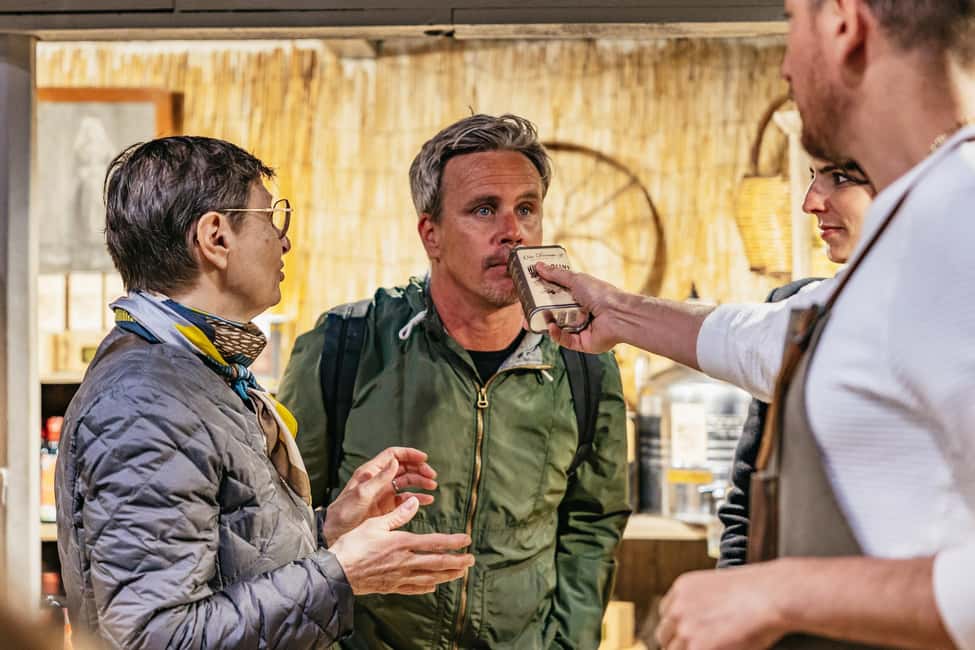
Next up is an olive oil and tapenade tasting, and this is one of the stops that I think you’ll remember. The tour focuses on artisanal olive oil produced in Nice, and you’ll learn about production methods and how oils differ. That turns a tasting from a simple sip into something more like a small education you can actually taste.
You’ll also get tapenade, which is where the whole Provençal flavor profile starts to click. Olive oil brings the fruitiness and softness; tapenade adds depth and salt. Together, they help you understand why so much of Nice cooking leans into olives, anchovies, and robust, savory sauces.
Bonus: this stop is a good “temperature check” moment during the walk. You get to sit, listen, and taste while the guide explains what makes the local approach different from generic Mediterranean olive oil.
Cheese and wine: the French pairing that actually works
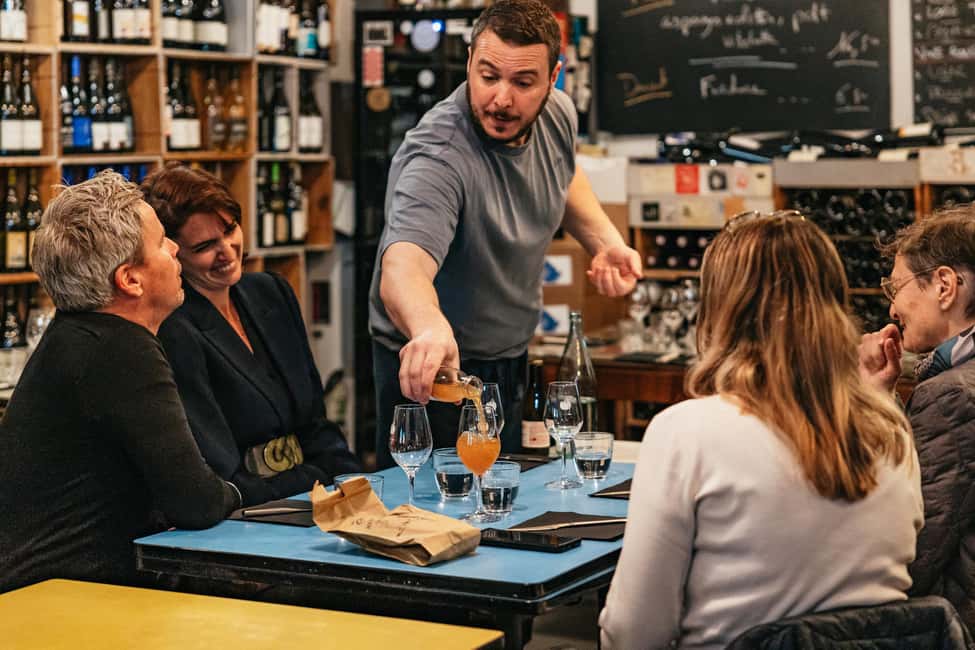
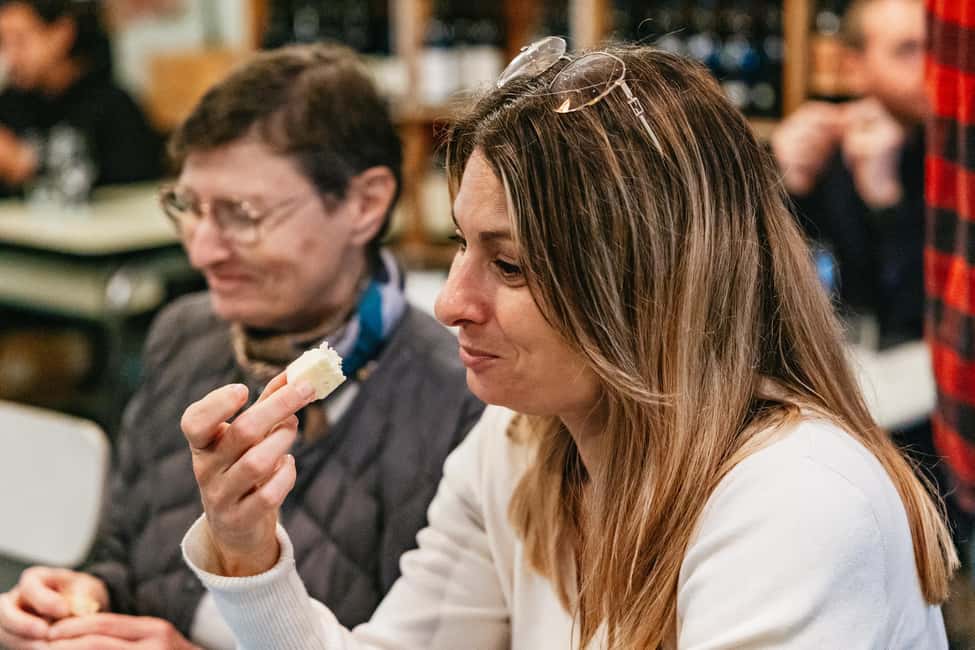
After olive oil, the tour moves into a classic: local cheese and wine. This isn’t just about getting alcohol with your meal. It’s a pairing lesson in miniature. Cheese has enough range—creamy, sharp, salty—that it can handle wine structure, and the wine helps sharpen what you taste next on the savory side.
Even if you don’t think of yourself as a wine person, I like this stop because it stays practical. You’re learning how to put flavors together, not chasing jargon. And since the tour includes water plus at least one alcoholic drink, you can focus on enjoying the pairing instead of constantly doing math in your head.
You can also read our reviews of more tours and experiences in Nice


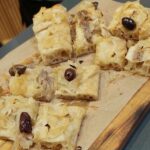
Socca: the crispy-soft chickpea pancake stop
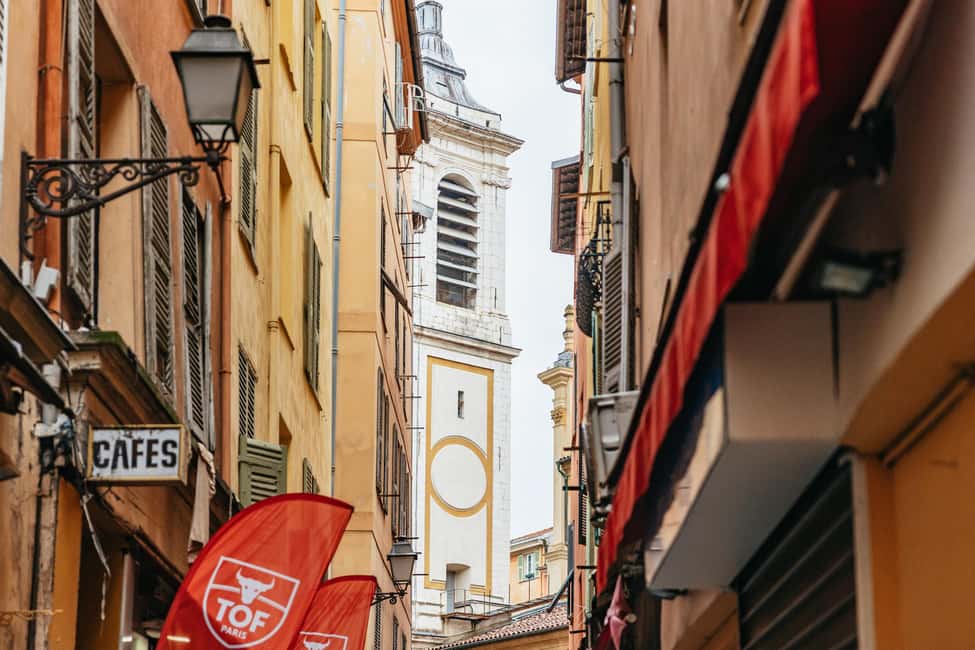
Then comes one of Nice’s most-loved street foods: socca. This is a savory pancake made from chickpea flour, and the fun part is the texture—crispy and soft at the same time. That contrast is exactly why socca is such a smart stop on a walking tour: it’s portable, but it tastes like something made with care.
During this part of the evening, you’ll get a real sense of why chickpeas matter along the French Riviera. It’s not fancy in presentation, but it’s satisfying, hearty, and deeply local.
If you only try one “classic Nice” dish on your trip, socca is a great pick. It’s easier than it looks, and it tells you a lot about the region’s pantry.
Pissaladière: onion pie with olives and anchovies
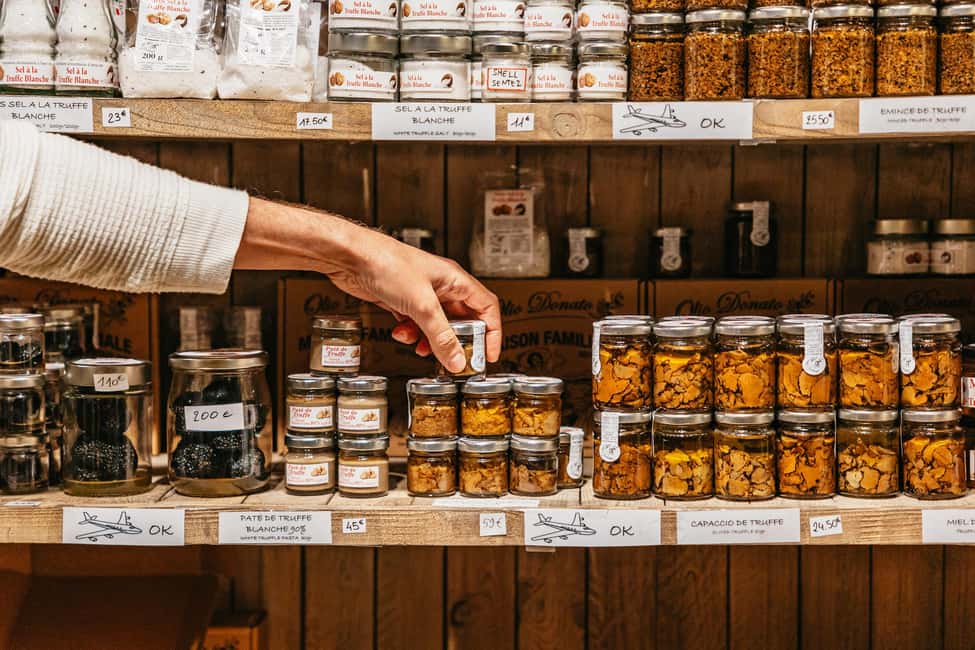
Right after socca, you’ll taste pissaladière, an onion pie traditionally topped with olives and anchovies. This is the dish that makes the tour feel distinctly Southern France. Sweet onions become savory when cooked down; then the toppings bring salty, briny punch.
The nice thing here is balance. Pissaladière can feel heavy if you eat it alone too quickly, but within this tour’s flow—after olive oil and socca—it lands as part of a broader picture. You’re learning how different savory components work together across multiple bites.
If you’re cautious about anchovies, this stop is still worth considering. You don’t have to love fish to appreciate what anchovies do in Mediterranean cooking—they act like flavor glue, making the whole dish taste more rounded instead of purely fishy.
Dinner at a local restaurant: where “food tour” becomes a meal
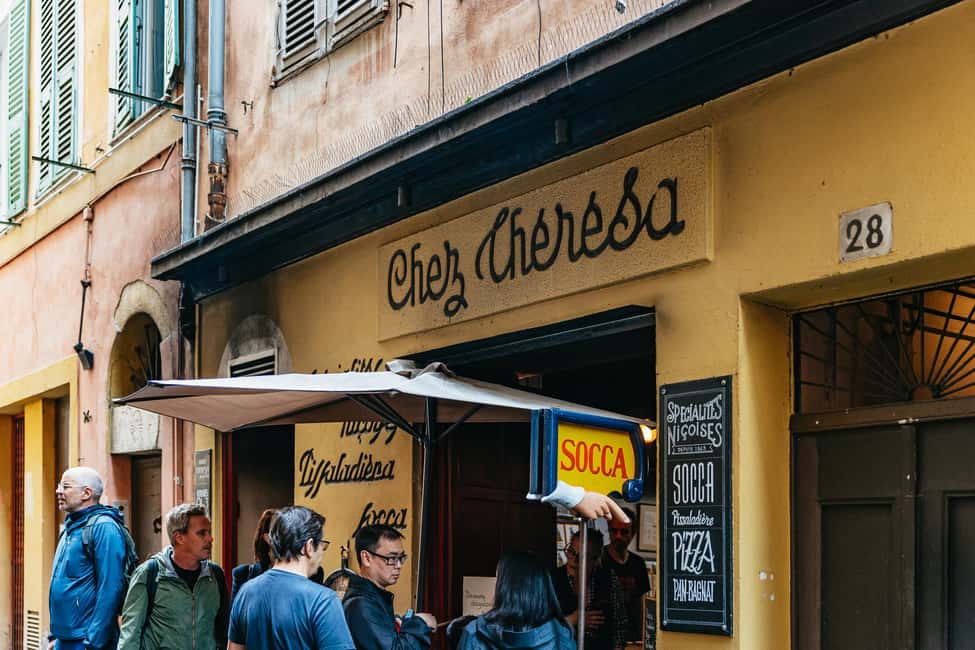
One of the strongest value points is that you don’t just end on snack stops. You get dinner for about an hour at a local restaurant. That turns the evening into a full experience rather than a collection of small tastes.
From a practical standpoint, this also solves a trip-planning problem. If you’re only in Nice for a short time, figuring out what to eat can become a decision fatigue mess. Here, the guide handles the ordering logic. You’re still choosing the pace with your own appetite, but you’re not spending your evening hunting for a place that matches your food goals.
Also, the longer dinner stop is useful because it gives you a breather from walking. Reviews have mentioned that guides watch timing carefully, keeping enough time for each place without dragging the evening too long.
Homemade ice cream to finish: the sweet reset near Place Garibaldi
To close the tour, you’ll get homemade ice cream made with local ingredients. This final stop is important, because the evening is heavy on savory flavors and classic Provençal richness. Ice cream cleans the palate and gives you a natural ending point: people often feel pleasantly stuffed but not wrecked.
Ending at Place Garibaldi is also smart. It’s a lively, recognizable finishing zone, and you don’t feel stuck waiting in the middle of nowhere for the night to end. It’s a convenient place to stroll onward or grab a late drink if you still have energy.
Price and value: what $102 buys you in the real world
At $102 per person, you’re paying for more than a few bites. This price is really about three things:
1) a guided walk through the city center,
2) multiple included food tastings (at least 4 stops),
3) a full restaurant dinner plus a dessert finish, with water and at least one alcoholic drink included.
If you tried to recreate this on your own, you’d face two challenges: you’d still be deciding where to go for each dish, and you’d likely end up paying more for “one-off” tastings at places that don’t coordinate the sequence for you. The value here is the ordering structure. The guide takes care of variety across the evening, so you don’t eat the same flavors twice and miss the local highlights.
Is it expensive compared to a casual sandwich? Sure. But compared to what you’d normally spend for a guided evening with dinner, it feels like a straightforward buy—especially if it’s one of the main food experiences on your trip.
Who should book this sunset food tour, and who should skip it
This tour is a great fit if you want:
- a high-impact introduction to Nice food in one evening,
- classic dishes like socca and pissaladière (not just generic French staples),
- a guided route through the old center with context while you eat.
I’d also say it works well for mixed groups. One group mentioned ages spanning from the 20s to the 70s, and the guide managed the pace without turning it into a race. That’s usually a good sign for readability and comfort.
Skip it if:
- you have mobility limitations, because the format is a walking tour with limited suitability,
- you don’t want to stand and walk for a good chunk of time,
- or you prefer very quiet, sit-down experiences only.
The guide factor: why this evening depends on the host
The food list is strong, but the guide is what ties it together. Multiple guides have been praised for blending history with food, and that’s exactly what you want from a sunset walking tour. When the guide points out the meaning behind what you’re eating—why olives show up here, how chickpeas become socca, why onion pie is a local comfort food—it turns your meal into something you remember.
Also, guides have been noted for good timing and handling different personalities in a group. That matters because you’re moving between several stops. You want a guide who keeps the evening on track without rushing you out of each tasting.
Practical tips that make the evening smoother
- Plan to arrive hungry but not stuffed. You’ll get multiple savory tastings plus a sit-down dinner and dessert, so eating a huge breakfast or early heavy lunch can leave you underwhelmed later.
- Expect a walking rhythm. Even with multiple tasting stops, you’ll be on your feet, moving through the old center.
- Bring a plan for alcohol. Only one alcoholic drink is included. If you want more, you’ll need to buy additional drinks on your own.
- Travel light. No large bags or luggage, and pets aren’t allowed.
Should you book this sunset food tour in Nice?
Yes, if you want a guided evening that combines Nice’s signature flavors with a city walk that actually teaches you what you’re tasting. This is the kind of tour that works well on day one or day two because it helps you get your bearings fast and gives you dish names you can order later with confidence.
No, if you’re mobility-limited or you want an all-seated, slow pace. Walking tours are fun, but only if they match your physical comfort level.
If you’re going to commit to one food experience in Nice—especially one built around sunset timing—this one is a smart pick.
FAQ
Where does the tour meet?
Meet in front of the restaurant Attimi at Place Masséna.
How long is the Sunset Food Tour with Full Meal and Wine?
It lasts 210 minutes (about 3.5 hours).
What’s included in the price?
A tour guide, 4 food stops, 1 alcoholic drink, water, and food at each stop is included.
What food will I try on the tour?
You’ll try items like olive oil and tapenade, cheese and wine, socca, pissaladière, and you’ll finish with homemade ice cream. Some options can vary by season and availability.
What language is the guide?
The tour is offered with a live guide in English and French.
Is the tour suitable for people with mobility impairments?
No. It is not suitable for people with mobility impairments.
What size are the groups?
The tour has a maximum of 12 people and a minimum of 2 people to operate.
Are pets or large bags allowed?
Pets are not allowed, and luggage or large bags are not allowed.