REVIEW · NICE
Nice: Provence Village Tour with Wine and Produce Tasting
Book on GetYourGuide →Operated by french riviera sightseeing · Bookable on GetYourGuide
One day in Provence feels like six. This Nice-to-countryside tour strings together hill towns, a real waterfall, and end-of-day wine at Saint-Jeannet, all with a comfortable air-conditioned van. It’s a solid way to see the inland French Riviera without renting a car.
I love the organic wine tasting with six pours, where the winemaker explains aging using sun-powered glass carboys. I also like that the day includes an olive oil stop in a rare 15th-century mill, so you taste more than just wine.
The trade-off is that lunch isn’t included, and the itinerary moves briskly between stops, meaning you’ll spend real time in the minivan.
In This Review
- Key Points at a Glance
- From Nice to the Villages: How the Day Really Feels
- Biot Glass: Craft That Shines Before the Hills Get Steeper
- Opio and the Olive Groves: The Working Mill Stop You’ll Remember
- Gourdon: Medieval Castle Views Plus a Versailles-Designed Garden
- Gorges du Loup Waterfall (Saut du Loup): The 40-Meter Moment
- Tourrette-sur-Loup and the Violets Since 1880
- Saint-Jeannet Winery: Organic Wines, Glass Carboys, and Label Art
- Price and Value: What $117 Gets You in One Long Day
- Who This Tour Fits Best (and Who Should Skip It)
- Should You Book This Provence Village Tour From Nice?
- FAQ
- How long is the Provence Village Tour with Wine and Produce Tasting?
- Is hotel pickup and drop-off included?
- What tastings are included on this tour?
- Is lunch included?
- What languages are available for the live guide?
- Is there free cancellation?
Key Points at a Glance
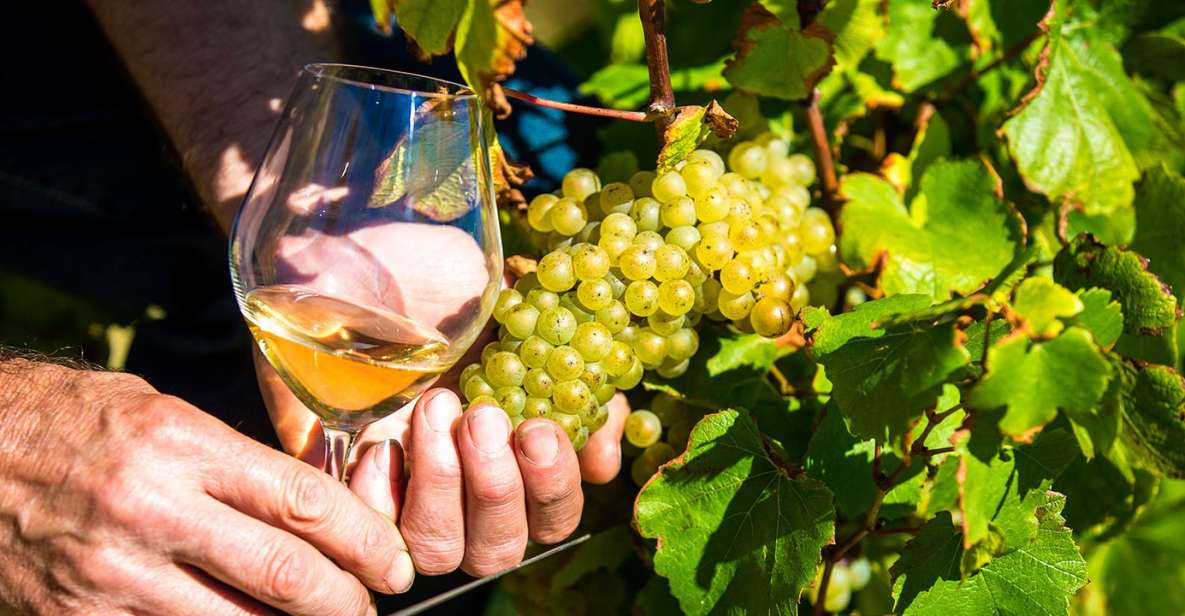
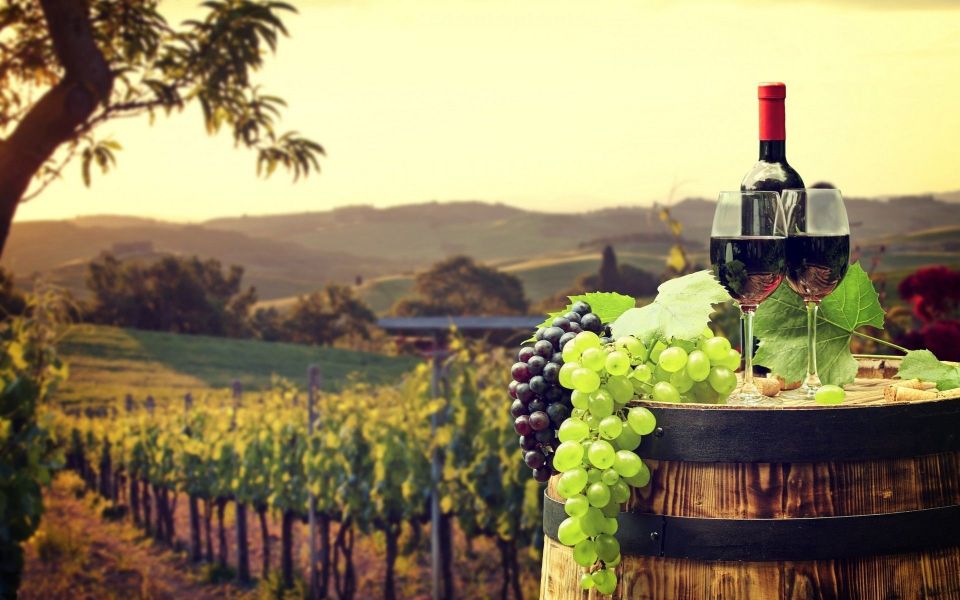
- Organic wine tasting in Saint-Jeannet, with six wines (red, rosé, white, and sweet options)
- Olive oil tasting in a working 15th-century mill, where local products are paired with the oil
- Gourdon hilltop views plus a castle and a garden designed by André Lenotre
- Gorges du Loup waterfall (40 meters high) for a classic Riviera-side photo moment
- Biot glassmaking lesson on a route shaped by craftsmanship and hillside drives
- Guides bring the day to life, with examples like Roman, Matt, and Alessandro mentioned in recent bookings
From Nice to the Villages: How the Day Really Feels
This is a true full-day outing: you’re picked up from your accommodation in Nice in the morning and brought back by van at the end. The route is built around several distinct “wow” moments—glassmaking, medieval villages, a major waterfall, olive oil, and then wine—so the day reads like a highlight reel.
The pacing is important. You’ll get time to wander and photograph, but it’s not a slow, linger-in-one-village kind of day. Think: enjoy what’s in front of you, then move on. If you hate rushing, plan your expectations around short walks, viewpoints, and tastings rather than long museum time.
One nice plus: the guide experience varies, and you’ll see that reflected in the reviews. People specifically praised guides like Roman, Matt, and Alessandro for being friendly, organized, and able to answer questions while keeping the schedule running smoothly—even when weather throws curveballs.
Also, lunch isn’t included. That matters here because the best lunch breaks tend to happen during a village stop, so you’ll want to use that time well (and ask the guide for restaurant ideas if you want help picking fast).
You can also read our reviews of more food & drink experiences in Nice

Biot Glass: Craft That Shines Before the Hills Get Steeper
Biot is the warm-up stop that sets the tone: craftsmanship, not just scenery. On the drive, you’ll hear about the manufacturing of Biot glassware, a style known for quality far beyond the Riviera.
Why this matters for your day: glass is one of those topics that makes the region feel real. You’re not just ticking off towns; you’re learning how something gets made locally, and why that matters to the way the area developed.
Practical angle: this is also the moment where you get out of your normal travel mode. You’re stepping into the Riviera’s maker side before you head into medieval villages and countryside tastes. And since you’re in an air-conditioned minivan, you’re arriving without the fatigue that long hill drives can bring in warm months.
You don’t need to be a “glass person” to enjoy it. Even if you mostly care about photos, the glass connection helps you understand why this corner of France has always attracted collectors and travelers.
Opio and the Olive Groves: The Working Mill Stop You’ll Remember
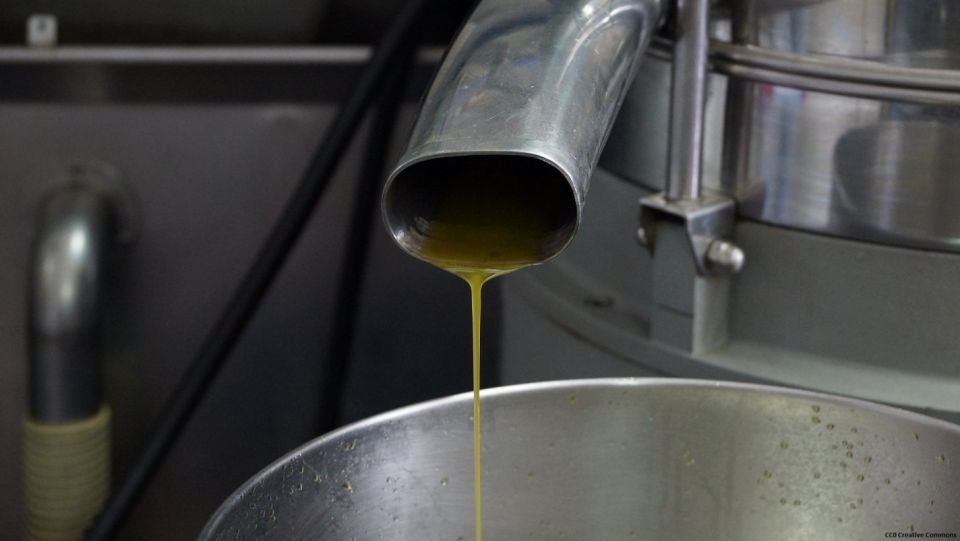
Next you head toward Opio, a hillside village framed by olive groves, pines, cork oak, and strawberry trees. It’s the kind of setting that makes you understand why olive oil is not an accessory here—it’s a core product.
Then comes the key taste: a rare 15th-century mill that is still in operation. This isn’t just a demo. You’ll sample regional products paired with olive oil, which is exactly the point. Olive oil tastes different by grove, harvest, and processing, so you get a small crash course in how the flavors actually vary.
Here’s what you can do to get more out of this stop. Go in hungry, even if you already had breakfast—oil tasting works better when your palate isn’t dulled. And pay attention to how they describe the oil (bitterness, peppery notes, softness). That’s what will make the final wine tasting feel more connected to the food of the region.
This mill stop also balances the later wine. Instead of “more wine, more wine,” you get a different flavor world first: earthy, savory, and tied to the landscape and daily work.
Gourdon: Medieval Castle Views Plus a Versailles-Designed Garden
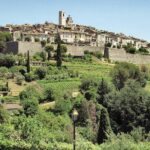
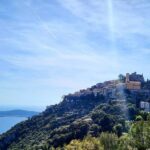
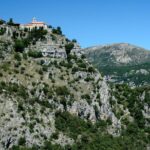
Gourdon is the hilltop village stop that gives you scale. You’ll be in one of those places where the view does the talking, with panorama views across the French Riviera. Even if the weather isn’t perfect, the elevation still creates that big “wow” feeling.
You’ll also see the castle area—featuring a 9th-century castle—and the gardens designed by André Lenotre, the Versailles landscaper. It’s a surprising detail: you’re in a small medieval village, and somehow it connects back to the famous French garden tradition.
If you’re a photo person, treat Gourdon like your own mini photo session. Arrive with the expectation that you’ll take a few angles, then do a slower wander to spot the best viewpoints. The time is limited, so don’t try to do everything at once.
And yes, this is often where lunch fits in. In the reviews, guides like Matt were praised for helping with lunch options, including specific recommendations such as Au Vieux Four. Even if you’re not using the same restaurant, the takeaway is the same: use Gourdon time for a proper meal break, not just a snack.
Gorges du Loup Waterfall (Saut du Loup): The 40-Meter Moment
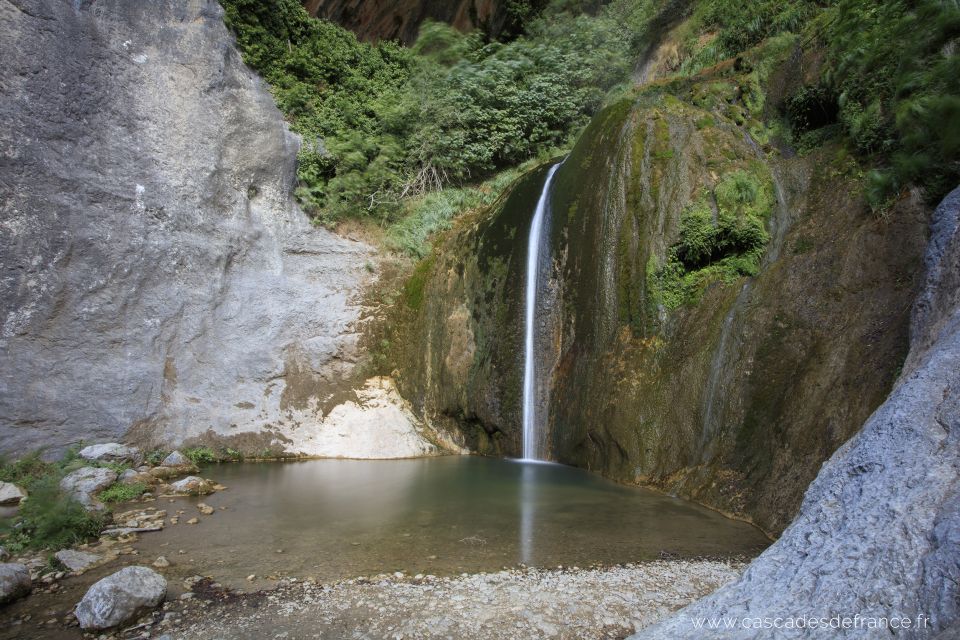
Then you reach the Gorges du Loup waterfall, a dramatic 40-meter drop. This stop is pure visual payoff: water, height, and that built-in sense of drama you only get from nature doing its thing at real scale.
Two practical tips help here:
- Wear shoes you trust. The terrain can be uneven, and you’ll likely be moving around to get a good angle.
- Bring some small change. One review specifically noted that you may need a 1 euro coin to access the waterfall area, and the guide stepped in to help when someone didn’t have change. So, if you don’t carry euros, consider changing a small bill before this stop.
Also, keep your expectations realistic. This is an “experience the moment” stop, not a long hike. You’ll do better if you decide your priority—photos, walking to a view point, or just standing and listening to the water—then spend that time well.
You can also read our reviews of more wine tours in Nice



Tourrette-sur-Loup and the Violets Since 1880
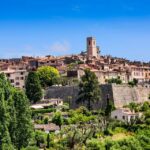
Tourrette-sur-Loup, also called Cité des Violettes, brings the region’s garden-and-scent identity into focus. Its fame comes from violets, grown as a main crop since 1880.
This is one of those stops that gives you context for why Provence products show up in markets back in town. Even if you don’t buy anything, you’ll better understand what you’re seeing when you spot violet-flavored sweets, perfumes, or themed souvenirs.
What I like about this stop for a wine-and-food itinerary: it adds a different sensory layer. Olive oil brings savory taste; wine brings structure and aroma; violets bring fragrance memory. It makes the day feel like you’re moving through Provence’s senses in order.
If you’re short on time, focus on a slow walk through the village lanes and take a few moments to look over the valley. When the day is busy, these “slow pocket” breaks are what keep you from feeling like you’re just transferring between locations.
Saint-Jeannet Winery: Organic Wines, Glass Carboys, and Label Art
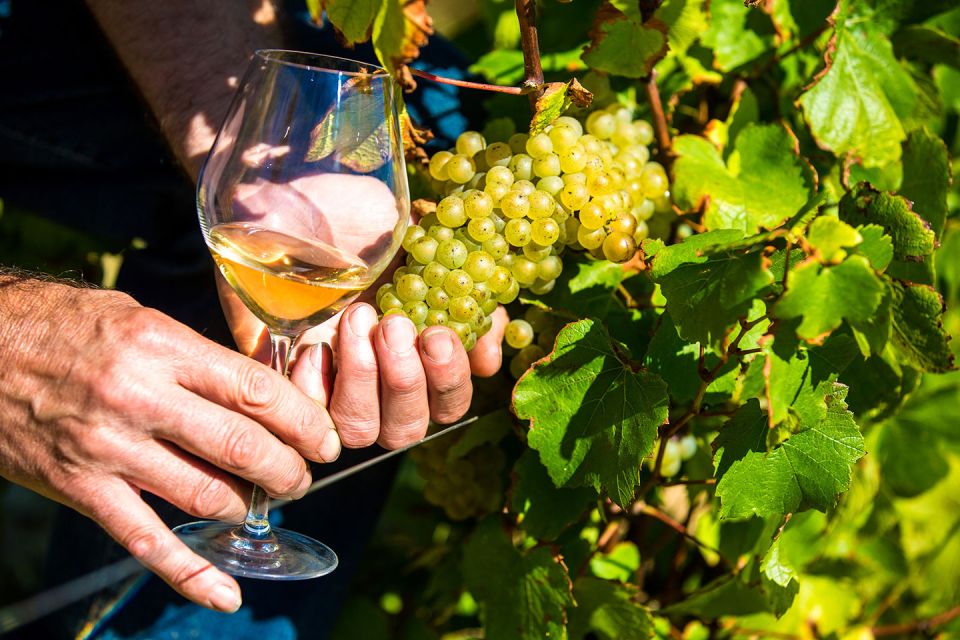
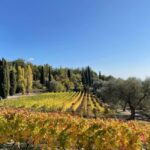
The finale is the part most people book for—and it largely delivers. In Saint-Jeannet you’ll join an organic wine tasting at a wine estate, sampling six wines: red, rosé, white, and sweet options.
The most interesting detail is how they describe the aging. The winemaker explains how the wines are aged using the power of the sun with glass carboys. That’s a very Provence idea: time, materials, and light working together, rather than relying only on industrial methods.
Then there’s another layer that you might not expect from a typical tasting. You’ll sit where you can admire paintings by Rémy Rasse, who also produces wine labels. So it’s not only about drinking; it’s about the visual identity tied to the producer’s work.
How to get the most out of this tasting:
- Ask questions about what changes between the wines (dry vs sweet, how acidity shows up, why one may feel lighter or richer).
- Taste in order and pause. Most tasting rooms want speed. Slower gives you better memory.
- If you’re buying bottles, note what you liked because the sweet options can blur together if you rush.
And if you’re comparing this to other day trips around Nice: this end-stop tends to feel more “inside the craft” than “look at the view and leave.” That’s why it rates so high in recent feedback.
Price and Value: What $117 Gets You in One Long Day
At about $117 per person for a 9-hour tour (with pickup and drop-off from Nice), the value depends on what you hate doing most. If you don’t want to drive the hill roads yourself, or you want a planned route that doesn’t require decision fatigue, this price starts looking fair.
You’re paying for transportation by air-conditioned minivan, a multilingual driver/guide, and included tastings: wine plus local products with olive oil. Lunch not being included is the one obvious gap, but it also means you can choose what fits your budget and appetite.
Compare it to the real cost of doing parts of this independently: fuel, parking, and the time cost of coordinating multiple locations. With a guide covering Biot glassmaking context, olive oil history and production, and wine tasting interpretation, the money is less about sightseeing tickets and more about saving your time and turning stops into learning moments.
Also, some guides have been known to add cultural extras on the fly—people mentioned Antibes (including a Picasso Museum stop), Saint Paul de Vence, Grasse/Fragonard perfume-style visits, and confection stops like Florian. That kind of flexibility can raise the perceived value, but it isn’t guaranteed every day. Still, it hints at a bigger point: the guide role matters here, and the better the guide, the better the day.
Who This Tour Fits Best (and Who Should Skip It)
This tour fits best if you want a high hit-rate day from Nice. You’ll like it if you’re the type who enjoys walking a village, then switching gears to a tasting, then enjoying a landmark viewpoint. It’s also great for couples who want a day that feels romantic without requiring advanced planning.
It’s less ideal if you want slow travel. If you want one village for hours, or you hate being in the van between stops, you may feel the schedule pressure. The good news: the tastings and viewpoints are spread out enough to keep it interesting, but it still stays structured.
It’s also a solid choice for first-timers in the area. Even if you come back later to explore Provence further, this tour helps you pick what you’ll prioritize next time: wine country, medieval villages, or water-and-gorge scenery.
Should You Book This Provence Village Tour From Nice?
Yes, if your goal is a single-day Provence overview with real tastings and strong sights. The organic wine tasting in Saint-Jeannet, the olive oil experience at a working 15th-century mill, and the 40-meter Gorges du Loup waterfall are the kind of anchors that make the ticket worth it.
Before you book, just ask yourself two questions:
- Are you okay with a long day and a schedule that prioritizes seeing more over lingering?
- Do you plan to handle lunch on your own during a village stop?
If those answers are yes, you’re likely to have a memorable day—especially if you get a guide like Roman, Matt, Alessandro, or others praised for being organized, friendly, and able to adapt when conditions change.
FAQ
How long is the Provence Village Tour with Wine and Produce Tasting?
It lasts 9 hours.
Is hotel pickup and drop-off included?
Yes. Pickup is included from your accommodation in Nice, and you’re also returned there at the end.
What tastings are included on this tour?
The tour includes a wine tasting and a local products tasting with olive oil.
Is lunch included?
No, lunch is not included.
What languages are available for the live guide?
The guide is available in Arabic, German, English, French, Italian, Portuguese, Russian, and Spanish.
Is there free cancellation?
Yes. You can cancel up to 24 hours in advance for a full refund.