REVIEW · NICE
Nice: Evening Food and Wine Tour
Book on GetYourGuide →Operated by Original Food Tours · Bookable on GetYourGuide
Nice at night feels like a switch flips. This is when the Old Town starts to feel alive, and you get to experience it through food and wine stops with a live English guide. You also build in a quick orientation moment at Place Masséna, then move into the neighborhood streets where local shopkeepers actually do business.
What I like most is the mix of tastings: you’re not stuck on one type of bite. Expect 6–8 tasting stops, including wine, cured meats, cheese, chocolate, and patisseries, plus a secret tasting that keeps the route fun. The other big win is the social feel of the walk—your guide sets you up to talk, listen, and share the moment with locals along the way.
One consideration: the pacing is centered on tasting and tasting explanations, not a long, classroom-style history lesson. If you’re hoping for heavy backstory, you may wish there were more of it, but the tradeoff is that you’ll spend your evening eating what makes Nice what it is.
In This Review
- Key things to know before you go
- Entering Nice’s Old Town at the right hour, with Place Masséna as your anchor
- How 6–8 tasting stops turn a stroll into a real food education
- What you’ll actually eat in Nice: salade niçoise, ratatouille, and socca
- Wine tasting in Nice: a practical way to learn pairings
- Meeting the locals without feeling like a tourist cliché
- English guide, small-group pace, and why attentive guidance matters
- Price and value: does $153 deliver for 3.5 hours?
- Practical tips so you feel great during the tasting route
- Who should book this Nice evening food and wine tour
- Should you book it or pass?
- FAQ
- How long is the Nice evening food and wine tour?
- Is the tour guided in English?
- How many tastings are included?
- What food and drinks are included?
- Do I visit Place Masséna?
- Is hotel pickup or drop-off included?
- What is the group size?
- Can I cancel for a refund?
Key things to know before you go
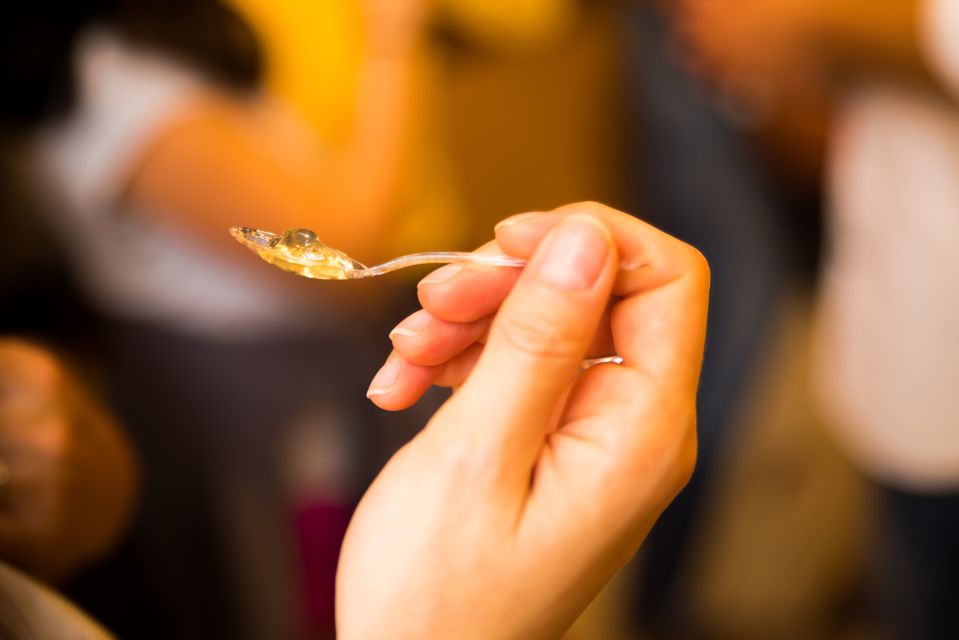
- Evening Old Town energy: the tour is timed for when restaurants and bars are open and the streets have momentum
- 6–8 tasting stops plus wine: you’ll sample a broad spread rather than a single long meal
- You’ll visit Place Masséna: it’s an easy landmark to orient yourself before you wander
- Local-meets-you vibe: specialty shop visits are part of the experience, not just a photo stop
- Small group (max 10): it stays conversational, so you can ask questions
- Guides like Heloise can be standout: in at least one small-group run, the guide’s warmth, attention, and pairing advice were praised
Entering Nice’s Old Town at the right hour, with Place Masséna as your anchor
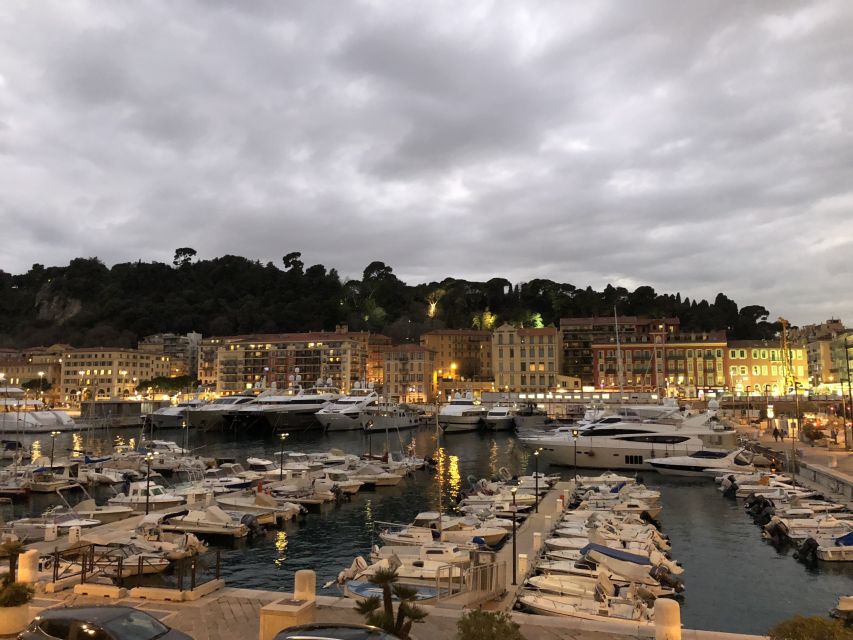
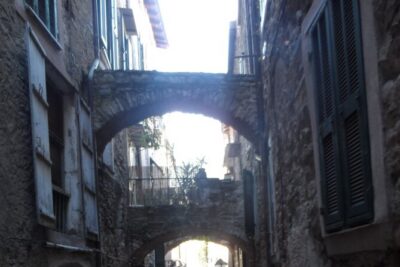
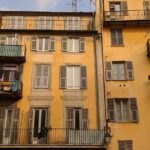
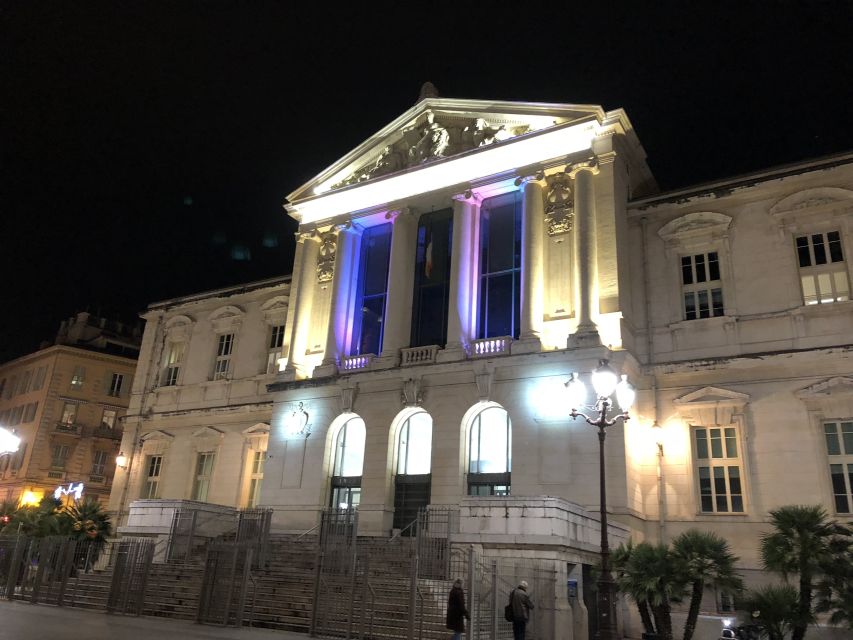
This tour is built around one smart idea: go when Nice is working for the evening. The Old Town streets take on a different rhythm after sunset—shops feel more active, restaurant fronts feel welcoming, and menus start to look less like information and more like an invitation.
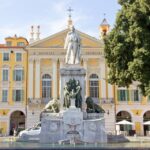
You start with the Place Masséna piece of the evening. That matters more than it sounds. It gives you a clear visual landmark to “place” the rest of your walk, so you’re not just wandering. From there, the group moves into the Old Town’s core, where the architecture and street life help you understand why the city’s food culture is so strong.
The walk itself is also a practical advantage. At 210 minutes (about 3.5 hours), you can cover meaningful ground without turning your evening into a full-day trek.
You can also read our reviews of more food & drink experiences in Nice
How 6–8 tasting stops turn a stroll into a real food education
A normal city walk can turn into awkward sightseeing. This one avoids that. Instead of only looking at storefronts, you get structured reasons to stop, taste, and compare.
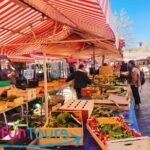
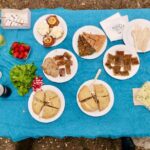
You should expect multiple short tastings across specialty spots. The included bites are designed to create a sequence, with cured meats and cheese working as a base flavor language, and then the route branching into sweets and regional specialties. The tour also mentions a local delicacies focus and a specialty shop element, so you’re not only eating at restaurants—you’re sampling what locals buy and choose for themselves.
The “secret tasting” is the part that usually keeps people smiling. It’s a final surprise that makes the route feel like more than a standard checklist. Even if you’ve done other food tours before, that unknown element helps keep the night from feeling predictable.
A quick reality check: taste portions vary by stop, and the group size is small (up to 10). On one run, a guide reportedly adjusted well to the moment—some tastings were more than enough for certain participants, meaning you may want to pace yourself so you don’t feel stuffed halfway through.
What you’ll actually eat in Nice: salade niçoise, ratatouille, and socca
The route is anchored in Niçoise and regional favorites. You’ll likely recognize several of the items on the list right away, and that’s useful: it helps you connect what you’re tasting to what you’ll see on menus later.
Here are some of the named highlights you can look forward to:
- Salade niçoise
This is one of the best ways to understand Nice’s flavors in a single bowl: crisp vegetables, tuna, and the kind of seasoning that makes the whole dish taste “simple” but not plain. It’s the sort of tasting that also teaches you what makes a salad feel like a main event here.
- Ratatouille
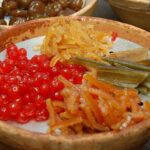
Ratatouille often gets reduced to a generic vegetable stew. On a good food tour, you’ll taste it as something more: layered flavors, the sweet-savory balance of cooked vegetables, and that olive-oil finish that ties it together. This is comfort food, but it’s also regional pride.
- Socca
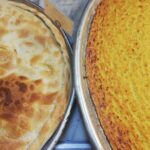
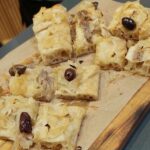
Socca is a big one for locals in Nice and the surrounding area. It’s made from chickpea batter, usually cooked until it’s golden, with a texture that can range from chewy to crisp at the edges. If you’re new to it, this is one of the best “wow, so that’s what it is” stops.
Beyond those named dishes, the included list covers cured meats, cheese, chocolate, and patisseries. That sweet-and-savory balance is what keeps the evening from feeling one-note. And if you’re the type who likes to buy souvenirs you’ll actually eat later, these stops are where you’ll spot the flavors worth taking home.
One more thing: the guide isn’t only handing you food and moving on. The tour description says your food lover and expert guide explains the history of the neighborhood and the quality behind what you’re tasting. Even if the historical part stays brief, it helps you eat with more intention instead of just checking off dishes.
Wine tasting in Nice: a practical way to learn pairings
Wine is included, and that’s not just a bonus—it’s part of the tasting logic. You’ll have opportunities for wine tasting, and the tour’s structure uses the wine to make you notice flavors you might otherwise miss.
The pairing choices can also be educational in real time. On one small-group run, the guide was praised for pairing local red wine with charcuterie and cheese—an approach that one guest described as odd at first, but then followed with genuine satisfaction after hearing the reasoning. That kind of guidance is exactly what you want from a guide: not just a pour, but a “why this works” explanation.
For you, the practical takeaway is simple: taste the same food while paying attention to what the wine does. Does it round out saltiness from cured meats? Does it lift the richness of cheese? Does it change how you perceive sweetness in chocolate? Doing that once with a guide makes it easier to repeat the experiment later on your own.
Meeting the locals without feeling like a tourist cliché
This tour is trying to do something specific: get you out of spectator mode. The plan includes specialty shop visits, and the experience is described as a chance to share the evening with shopkeepers and restaurant owners.
In plain terms, that’s why it can feel different from eating at a single restaurant and calling it “local.” You’re more likely to get quick personal context—how locals think about the ingredients, what they consider high quality, and how the same product can taste different depending on preparation and sourcing.
The small group size helps here too. With a maximum of 10 participants, you’re less likely to be trapped in a long queue of people-only-at-a-glance. You can actually ask questions, and the guide can correct or tailor advice without rushing everyone out the door.
If you’re traveling solo, this structure can also turn a meal into a conversation. If you’re traveling with a partner or friends, it gives you built-in topics beyond what to order and where to go next.
You can also read our reviews of more tours and experiences in Nice
English guide, small-group pace, and why attentive guidance matters
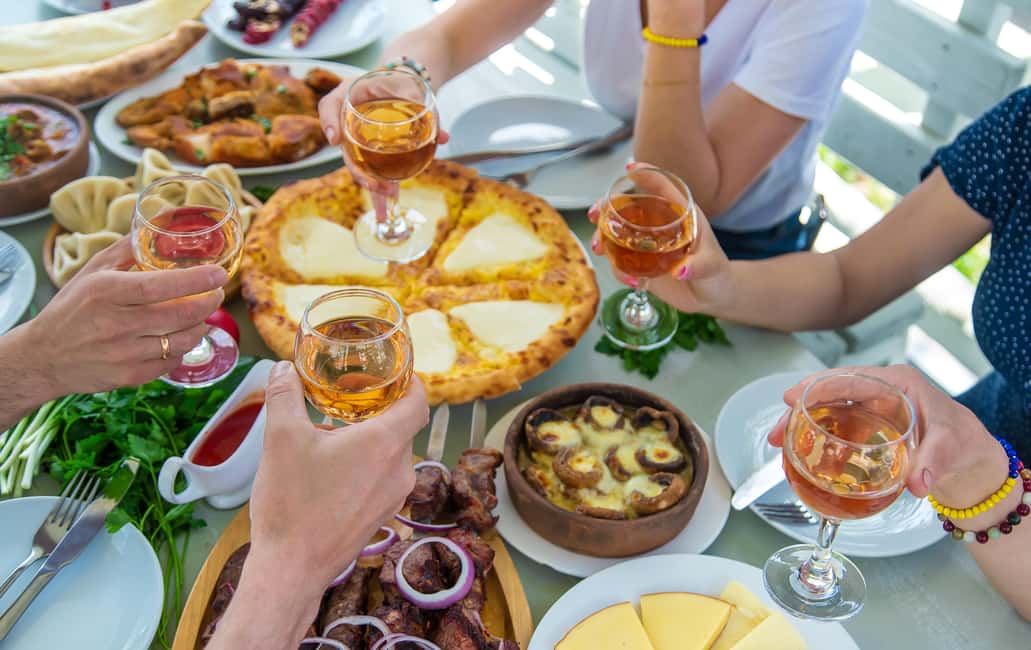
You’ll have a live English tour guide, and that’s a big deal for a food tour. Food names and regional dishes are tricky; being able to understand what you’re eating—and why it’s worth caring about—makes the night go from random snacks to something you’ll remember.
The small group (up to 10) keeps the atmosphere friendly. One guest highlighted how attentive their guide was, even when the group was especially small. That kind of attention often makes the difference between a tour that feels like a conveyor belt and one that feels like a guided night out with a competent local.
There’s also a fun side note from one praised guide run: the guide’s photography skills were mentioned as a bonus. That’s not the core value of the tour, but it signals that the guide pays attention to the whole experience, not just the tastings.
Price and value: does $153 deliver for 3.5 hours?
At $153 per person for 210 minutes, you’re paying for three things: access to multiple tasting stops, wine, and guided context. This isn’t just “food in bulk”—the included list is wide: 6–8 tastings, cured meats, cheese, chocolate, patisseries, local delicacies, specialty shop visits, and a secret tasting.
Here’s how to judge value for yourself:
- If you’d otherwise pay for a wine tasting plus dinner cocktails, this tour compresses those costs into one guided evening.
- If you like structure (and not wandering hungry through streets), the route saves you from the classic problem: choosing the wrong place at the wrong time.
- If you’re the kind of traveler who enjoys learning how food is made and why it’s chosen, the guide adds value beyond the edible part.
The only value risk is the mismatch between what you want and how the tour balances story versus sampling. One guest felt the history and the amount of food and wine weren’t as much as expected. So, if you want a deep lecture, this may feel more like a guided tastings-and-context night than a history-heavy tour.
Practical tips so you feel great during the tasting route
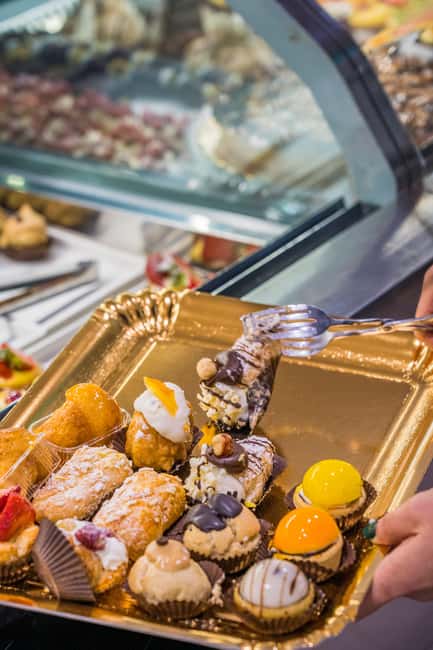
Food tours are easiest when you plan for comfort. Based on how these tastings usually work (multiple stops over 3.5 hours), here’s what will help you get the best experience without overthinking it:
- Eat lightly earlier that day. Even with multiple tastings, you may not want a big lunch that weighs you down for chocolate and patisserie later.
- Pace your bites between stops. If you discover one tasting is a lot more filling than expected, slow down so you still enjoy the later sweets.
- Ask “why” questions. The guide is there to explain quality and neighborhood context. A quick question can turn a single bite into a learning moment.
- Use the Place Masséna orientation. If you’re also exploring Nice on your own later, noticing how the Old Town connects from that landmark can make the next day easier.
And a simple reminder: the tour doesn’t include hotel pickup or drop-off. Plan to reach the starting area on your own, and give yourself a little extra time to arrive calm.
Who should book this Nice evening food and wine tour
This experience fits best if you want:
- A Nice Old Town evening with food and wine, not just sightseeing
- A small-group format where you can talk with your guide
- A practical way to try Niçoise regional flavors like salade niçoise and socca
- Enough guidance to understand what you’re tasting, including wine pairings
It may not be your best match if you mainly want long-form history, or if you’re extremely sensitive to walking and standing during a 3.5-hour evening.
Should you book it or pass?
I’d book this tour if your goal is to eat well in Nice while learning what matters—quality, pairing, and regional choices—without having to plan every stop yourself. The combination of 6–8 tastings, wine, and a guide-led walk that includes Place Masséna is strong value for an evening in a place where food is the real story.
I’d think twice if you’re expecting a history-focused tour or a guaranteed oversized feast at every stop. In that case, you may want to pair this with a lighter dinner plan afterward, so you’re still in control of your evening appetite.
If you’re excited by the idea of moving through Nice’s Old Town with a friendly guide and coming away with flavor memories you can repeat later, this is a solid pick.
FAQ
How long is the Nice evening food and wine tour?
The duration is 210 minutes, so plan for about 3.5 hours.
Is the tour guided in English?
Yes. It’s a live tour guide in English.
How many tastings are included?
You get 6–8 tasting stops, plus wine tasting and a secret tasting.
What food and drinks are included?
Included items include wine tasting, cured meats, cheese, chocolate, patisseries, local delicacies, and specialty shop visits. You may also taste regional dishes such as salade niçoise, ratatouille, and socca.
Do I visit Place Masséna?
Yes, the tour includes a visit to Place Masséna.
Is hotel pickup or drop-off included?
No. Hotel pickup and drop-off are not included.
What is the group size?
It’s a small group limited to 10 participants.
Can I cancel for a refund?
Yes. Free cancellation is available up to 24 hours in advance for a full refund.