REVIEW · VILLEFRANCHE SUR MER
Coastal boat tour from Villefranche-Sur-Mer to Monaco
Book on GetYourGuide →Operated by AMV · Bookable on GetYourGuide
Monaco feels close when you watch the coast slide by. This 2-hour cruise turns Villefranche-sur-Mer into a front-row seat for the Côte d’Azur. I particularly like the bilingual sailor commentary and the big-window views as the coastline changes from towns to cliffy landmarks.
What I like most is how easy it is to find your best spot on board, with enough room to switch between shade and sun. I also like that the route mixes famous names with the quieter stretches you’d miss on foot, from Saint-Jean-Cap-Ferrat through Beaulieu-sur-Mer and onward to Monaco. You get context for what you’re seeing, not just a drive-by photo.
One thing to consider: the commentary is shared via onboard audio, and it may not be loud or clear everywhere. If you’re picky about hearing every word, plan to watch the shoreline closely and don’t assume you’ll catch everything from your seat.
In This Review
- Key things I’d clock before you go
- Côte d’Azur by boat: why this route works
- Where to check in at Gare Maritime (7 Place Wilson)
- Villefranche-sur-Mer’s rade: easing into the views
- Saint-Jean-Cap-Ferrat: the peninsula and its villa coastline
- Èze and Cap-d’Ail: cliffs, green stretches, and quick stops
- Monaco from the water: Port Hercule views and a possible loop
- The final hour of cruise: filling in the blanks
- Comfort, motion, and onboard rules that matter
- Value, timing, and what to bring (binoculars are on you)
- Who should book this cruise, and who should skip it?
- Should you book this Villefranche to Monaco coastal cruise?
- FAQ
- How long is the coastal boat tour from Villefranche-sur-Mer to Monaco?
- What languages are the onboard commentaries in?
- Where do I meet and check in before boarding?
- Will we see Monaco’s Port Hercule area up close?
- Is this tour suitable if I get seasick or have a visual impairment?
- What should I bring, and what’s not allowed onboard?
Key things I’d clock before you go
- Bilingual live commentary (French and English) from a sailor, with history and quick anecdotes
- A shore-to-monument route: Villefranche, Saint-Jean-Cap-Ferrat, Èze, Cap-d’Ail, then Monaco
- Good viewing flexibility on a moderately sized boat with places in sun and shade
- A potential Port Hercule mini-loop inside Monaco, if the port grants permission
- Weather-dependent sailing, so your day can shift if conditions aren’t right
- Not for seasickness, and not suitable for visually impaired people
Côte d’Azur by boat: why this route works
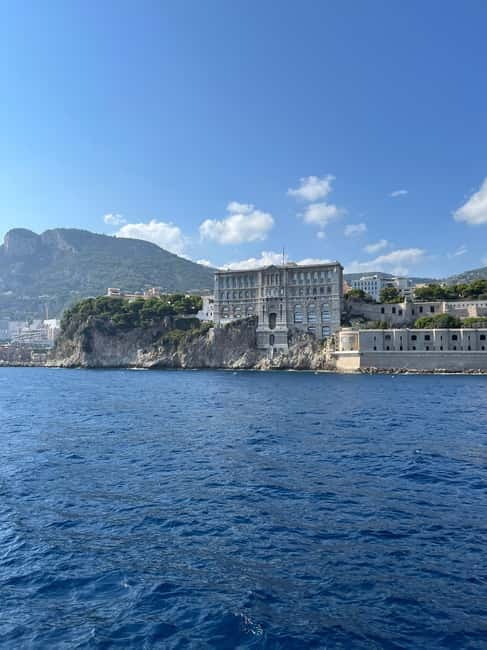
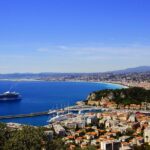
The coast between Villefranche-sur-Mer and Monaco looks stunning from land, but from water it makes more sense. You see how the shoreline bends, where the harbors sit, and why certain spots became the go-to address for big private villas. On this cruise, you’re not just watching famous scenery—you’re getting a guided sense of place, town by town.
I also like the pacing. It’s short enough to feel relaxing, but long enough that you actually get that coast-travel rhythm: leave Villefranche, cruise past the peninsulas and villages, then arrive at Monaco with time to enjoy it from the waterline. If you’re trying to pack Monaco into a day that also includes beaches, shopping, or museums, this is a practical way to get the “wow” without spending half the day driving.
And because the commentary is delivered live (in French and English), you’re less likely to feel like you’re staring at random buildings. You’ll hear what you’re looking at, and you’ll get some story behind it. That matters more than people think when you’re on a boat for a couple hours.
You can also read our reviews of more tours and experiences in Villefranche Sur Mer.

Where to check in at Gare Maritime (7 Place Wilson)
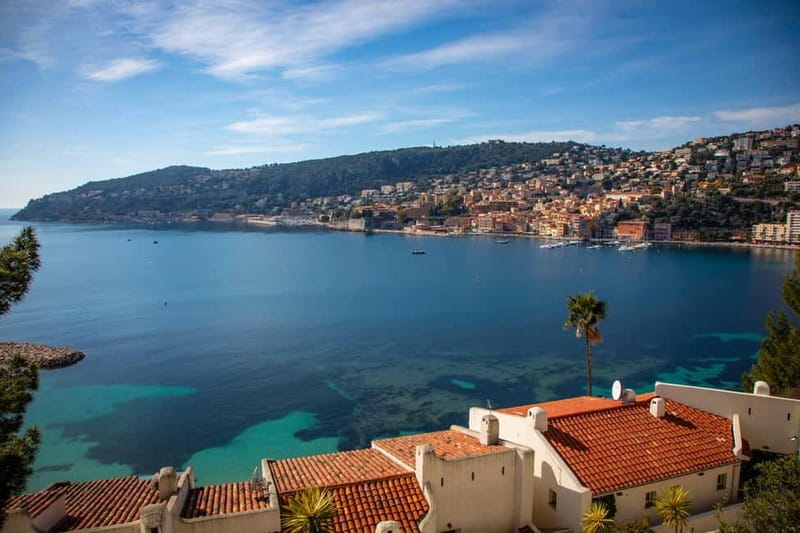
This tour starts at 7 Place Wilson in Villefranche-sur-Mer, at the ticket office area at the Gare Maritime. Before boarding, you need to stop at the ticket office to check in. The meeting point is right by the port near the old town, which is handy if you plan to grab a coffee or a snack before you go.
This is also one of those tours where being slightly early helps. Ports can get busy, and you don’t want to be sprinting while the boat is preparing to depart. I’d aim to arrive with enough time to check in calmly, then take a minute to locate your preferred viewing spot.
A couple practical points: there’s no hotel pick-up, so you’re on your own for getting to the port. On board, binoculars aren’t included, so if you want to zoom in on details, bring your own. Also, you’re allowed to bring basics like sunglasses, a sun hat, and sunscreen—because July-on-the-water can be no joke.
Villefranche-sur-Mer’s rade: easing into the views
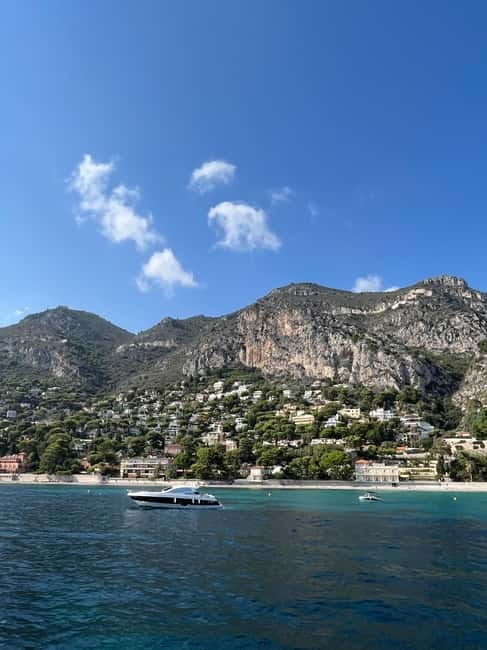
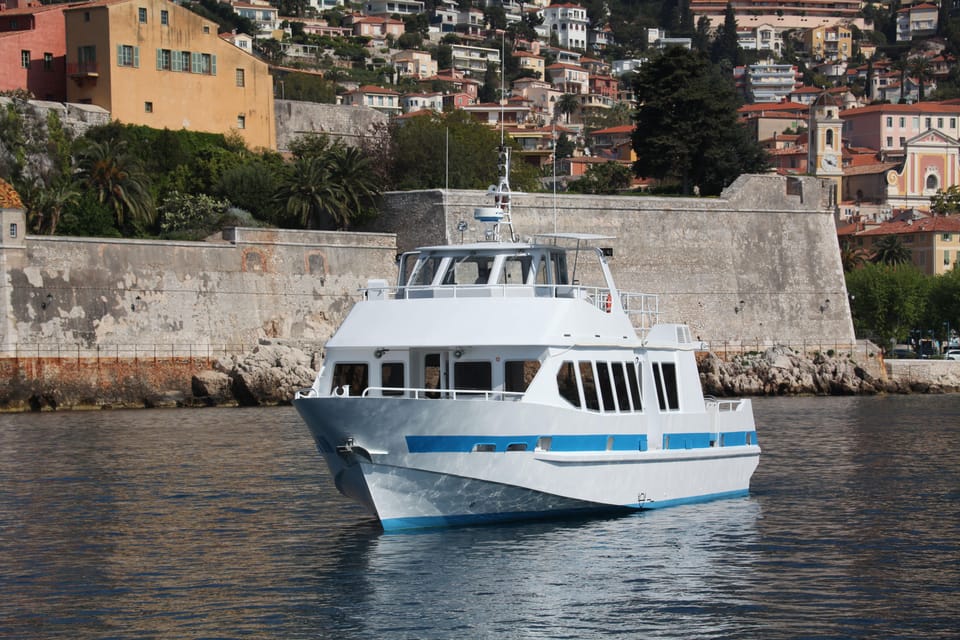
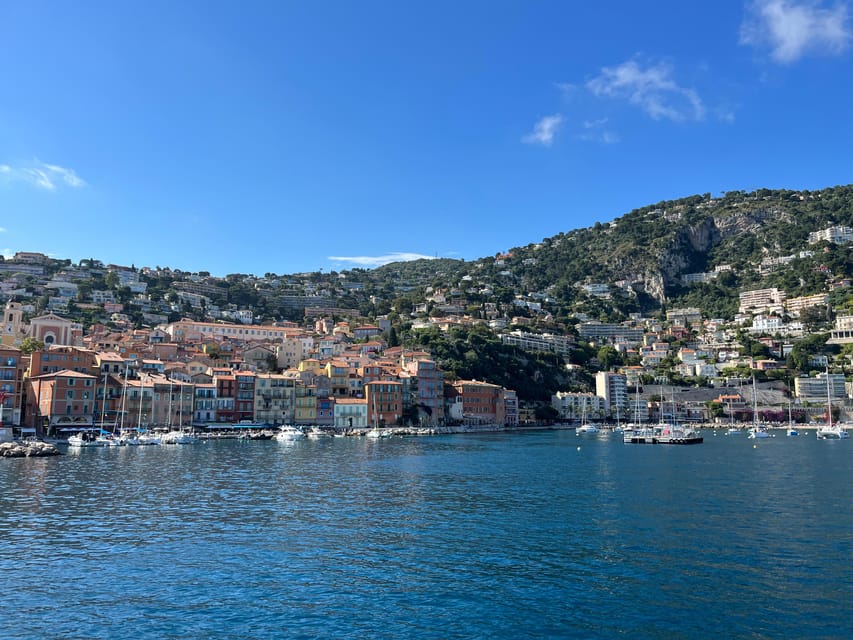
Right after you board, the cruise starts with a short hop around the Rade de Villefranche. This first segment is about getting oriented. You’ll see the historic town you’re leaving behind and the harbor area that gives Villefranche its character.
What makes this stop work is the angle. From the water, the town doesn’t look like a postcard—you see how it sits along the coastline, how the boats move, and where the coastline opens up for the longer stretch ahead. If you’re the type who likes photos, this is a good moment to grab a few early shots before the boat settles into its rhythm.
Time-wise, it’s brief—about 15 minutes of sightseeing here—so don’t try to “wait for the perfect moment” in the first five minutes. You’ll have chances later. Think of this part as the warm-up: watch how the coastline begins to change, and let your eyes adjust.
Saint-Jean-Cap-Ferrat: the peninsula and its villa coastline
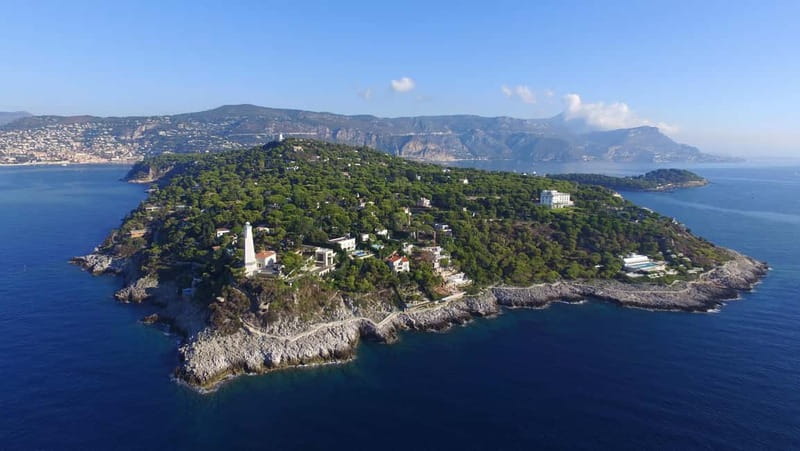
Next you cruise to Saint-Jean-Cap-Ferrat, another segment of about 15 minutes. This is where the tour becomes visually high-impact. The peninsula is known for its dramatic coastal lines and the famous private villas that make it stand out in Côte d’Azur mythology.
From the boat, you get a better read on the geography. You can see why these properties and viewpoints became prized: the coastline curves, the sea gives you distance, and the views don’t flatten the scene the way they can from the shore. The commentary helps too, because you’re not only noticing homes—you’re learning how the coastline connects the towns and why certain areas grew in reputation.
One small tip: if you like photos, stand where you won’t have someone blocking your shot. The boat offers different seating and standing spots, so you can shift without losing the view entirely. It’s one reason this cruise feels easy, even if you’re not a “boat person.”
Èze and Cap-d’Ail: cliffs, green stretches, and quick stops
After Saint-Jean-Cap-Ferrat, the cruise continues along the middle stretch of the coast, with stops timed for views and photos.
Èze is a key highlight. Even with a shorter sightseeing window, it’s the kind of place that reads instantly from the water—rocky coastline shapes, cliffy positioning, and that signature hill-town feel. The tour’s sailor guide uses the stop to explain what you’re seeing as the boat moves along, which makes Èze feel more like a destination you understand rather than a name you recognize.
Then comes Cap-d’Ail, which frames the transition from the more classic Côte d’Azur peninsula image into the Monaco approach. This part of the coastline includes greener seaside areas such as Beaulieu-sur-Mer and Eze-sur-Mer during the cruise, so the scenery changes in a pleasing way instead of turning into one long blur of buildings.
A practical note: because these segments are timed, you’ll want to be ready to look when the boat slows and lines up. If you spend too long rummaging for your phone or camera, you’ll miss the best angles.
Monaco from the water: Port Hercule views and a possible loop
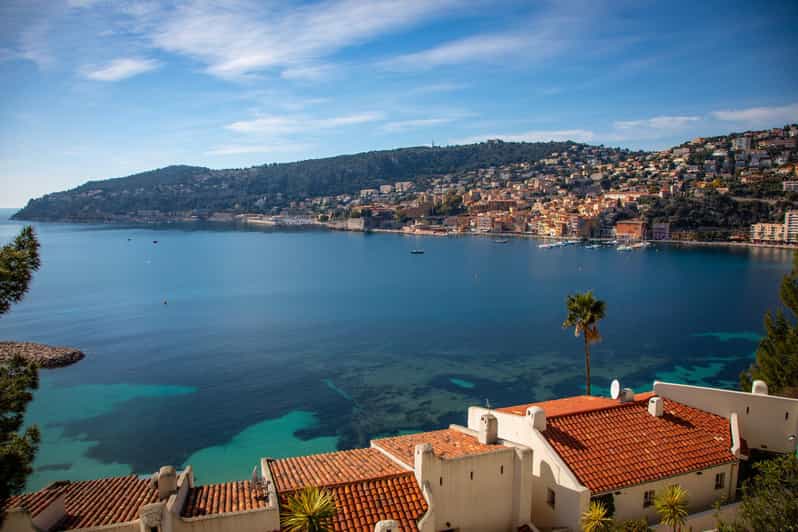
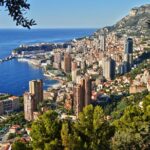
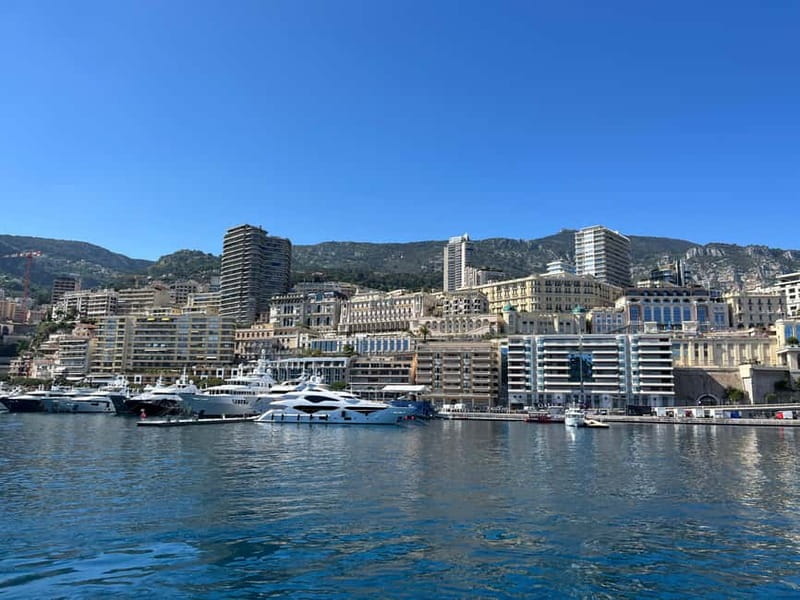
Monaco arrives as a true gear change. The tour includes about 10 minutes to sightsee around Monaco during the approach. From the sea, you see the principality’s coastline as a built shoreline, with the harbor feel becoming more distinct as you near the Port Hercule area.
Here’s a detail that can make the Monaco moment feel extra special: if the port grants permission, the crew will take a short boat trip around Port Hercule so you can see more of the area from closer range. That depends on harbor authorization, so it’s not guaranteed—but it’s worth being excited about.
If you’re planning your day around Monaco, this helps you decide how much time you actually want to spend on land afterward. Water gives you the big picture fast. Then you can choose what you want to chase on foot. It’s also a good way to enjoy Monaco without making it a stressful checklist.
The final hour of cruise: filling in the blanks
After the main sightseeing stops, you’ll spend about 1 hour on a sightseeing cruise before returning to 7 Place Wilson. This is the time where you can relax and stop treating the boat ride like a schedule.
You can settle in, watch how the coastline looks from different angles, and let the commentary wrap themes together. The sailor guide’s job is to connect what you’ve just seen—how the towns relate to each other, and why the coastline developed the way it did. Expect history and quick anecdotes rather than a long lecture.
This is also a good time to test your own comfort strategy. If you sit in the sun first, you can move to shade later. If you’re there for views, aim to switch positions during the cruising hour so you don’t end up staring at the same stretch from the same angle for the entire hour.
One more reality check: the audio might not be perfectly audible throughout the boat. So if hearing details is important to you, keep your eyes up and don’t rely on audio alone.
Comfort, motion, and onboard rules that matter
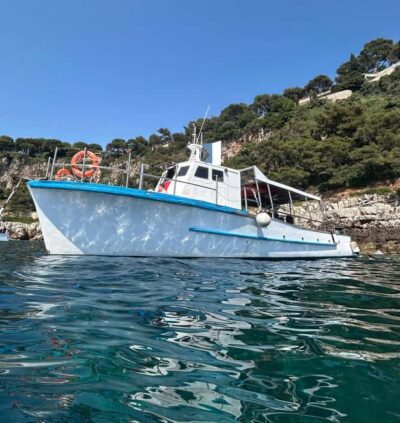
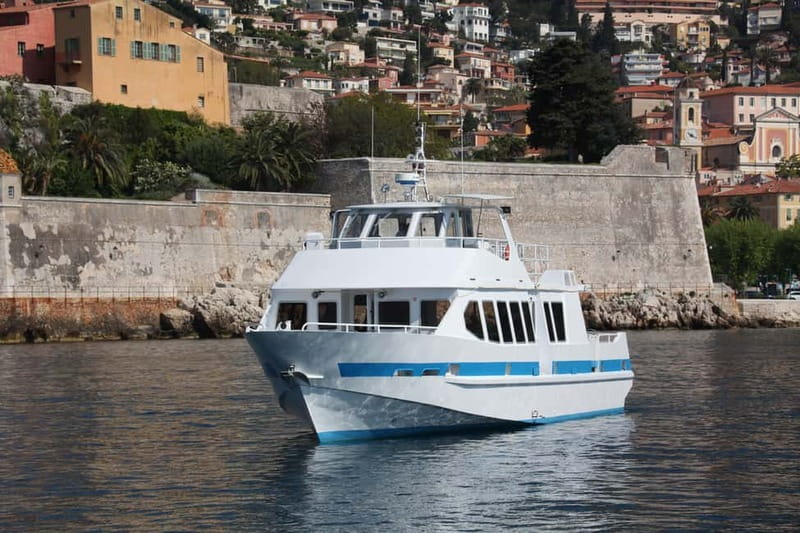
This cruise is designed to be comfortable, and it’s not cramped. People describe the boat as moderately sized with seating in multiple areas, plus space to choose between shade and sun. That freedom matters on a two-hour trip because you can adjust as the light changes.
That said, it’s still a boat. This activity is not suitable for people prone to seasickness, so if you know you get queasy on water, skip it. Also, it’s listed as not suitable for visually impaired people—so don’t plan on it as an audio-first experience.
Onboard rules are straightforward: no smoking and no vaping. That’s a comfort issue more than a legal one, especially on open-air boats where cigarette smoke can drift.
If you’re thinking about bringing a hat and sunscreen (you should), the onboard comfort setup makes it easy. You can go from sun protection to cooler air without feeling like you’re stuck.
Value, timing, and what to bring (binoculars are on you)
Value here comes from two things: you’re covering a famous stretch of the Côte d’Azur in a compact time window, and you’re getting a live guide who explains what’s in front of you. One person even cited a price around £25, which is hard to beat for a bilingual coastal cruise plus the Monaco payoff from the water.
But you’ll want to know what’s not included. Meals, drinks, and souvenirs aren’t included, and binoculars aren’t included. If you want a drink on board, bring cash, since that’s been suggested for purchasing onboard beverages.
What you should bring is simple and practical:
- Sunglasses
- Sun hat
- Sunscreen
And remember the weather rule: the excursion only runs when conditions are favorable, and the weather report is validated the day before. In other words, you’ll want a flexible mindset. When conditions are good, the trip feels smooth and rewarding. When conditions aren’t, you won’t be doing this.
Who should book this cruise, and who should skip it?
I’d book this if you want a low-effort way to see Monaco and the Côte d’Azur coastline in one go. It’s ideal for day-trippers who don’t want to drive between viewpoints and for anyone who likes guided context while still having time to enjoy the scenery.
It also fits well if you’re splitting your day between Villefranche and Monaco. This boat ride gives you a coherent route—so when you later visit on land, you’ll recognize what you saw from the sea.
Skip it if:
- You get seasick easily.
- You need an experience designed for visually impaired guests.
- You expect very loud, crystal-clear audio from every seat.
Should you book this Villefranche to Monaco coastal cruise?
Yes, if your priority is big coastline views plus bilingual sailor commentary without overplanning. It’s a sensible two-hour format, and the “Monaco from the water” moment is the kind of payoff that feels worth it even if you’ve visited Monaco before.
One final nudge: arrive early for check-in at 7 Place Wilson (Gare Maritime), bring sun protection, and don’t plan your day as if this will run in rough weather. If you match your expectations to how the tour is designed, this is a calm, scenic way to connect Villefranche and Monaco by sea.
FAQ
How long is the coastal boat tour from Villefranche-sur-Mer to Monaco?
The duration is 2 hours, and you’ll need to check availability for starting times.
What languages are the onboard commentaries in?
The live commentary is available in French and English.
Where do I meet and check in before boarding?
You check in before boarding at the ticket office located at the Gare Maritime de Villefranche-sur-Mer: 7 Place Wilson, 06230 Villefranche-sur-Mer.
Will we see Monaco’s Port Hercule area up close?
On arrival in Monaco, if the port grants permission, the crew will take a short boat trip around Port Hercule for a better look at the principality.
Is this tour suitable if I get seasick or have a visual impairment?
It is not suitable for people prone to seasickness, and it is also listed as not suitable for visually impaired people.
What should I bring, and what’s not allowed onboard?
Bring sunglasses, a sun hat, and sunscreen. Smoking and vaping are not allowed. Binoculars are not included.