REVIEW · NATIONAL SPORTS MUSEUM NICE
Ticket to Musée National du Sport
Book on GetYourGuide →Operated by Musée National du Sport · Bookable on GetYourGuide
Sports history, and yes, the Olympic flame. This museum is interesting because it treats sport like a social story, using hands-on themes built around challenge—then tops it off with an impressive look at Olympic torches.
Two things I really like: the way the exhibition organizes sports by challenge type (from athletics to extreme climbing), and the chance to linger at your own pace in a big collection that isn’t trying to rush you. One thing to consider is that it isn’t a guided tour, so if you want a spoken explanation tying everything together, you’ll need to read labels and take your time—or plan for any on-site tour options carefully since some parts can have limited hours.
You can give yourself as long as you want for a one-day visit, which is exactly what you need here. I also appreciate that the museum is wheelchair accessible, so you’re not fighting for space while you explore.
At around $9 per person, the value can be surprisingly strong, especially if you bring kids or you qualify for free admission. If you’re expecting only a quick hit of famous athletes and trophies, you might find it more thought-driven and interactive than purely flashy.
In This Review
- Key things you’ll notice
- What this museum is really about: challenge in four acts
- Personal challenge: the body meets the clock
- One-on-one challenge: skill under direct pressure
- Collective challenge: teams turning effort into coordination
- Challenges beyond the limits: when sport becomes risk
- Wandering the galleries at your own pace (and why that’s a feature)
- Interactive experience: make the museum do some work for you
- Temporary exhibitions: 500+ m² of something new
- Olympic torches: the part that usually hooks first-time visitors
- The stadium tour option: plan your timing like a grown-up
- Rules that affect your comfort: what you can’t bring in
- Price and value: how $9 can be a bargain or a disappointment
- Who this museum suits best (and who should temper expectations)
- Practical tips for a smooth self-paced day
- Start with your favorite sport or the torch display
- Use temporary exhibitions as your flexible wildcard
- Budget for reading time
- Be mindful of what you can’t do
- Should you book this Musée National du Sport ticket?
- FAQ
- Do I get a guide with the ticket?
- How long is the experience?
- Can I stay as long as I want inside the museum?
- What’s the main theme of the museum?
- Are Olympic torches included in the visit?
- Is the museum wheelchair accessible?
- Is food or drink allowed inside?
- Are children eligible for free admission?
Key things you’ll notice
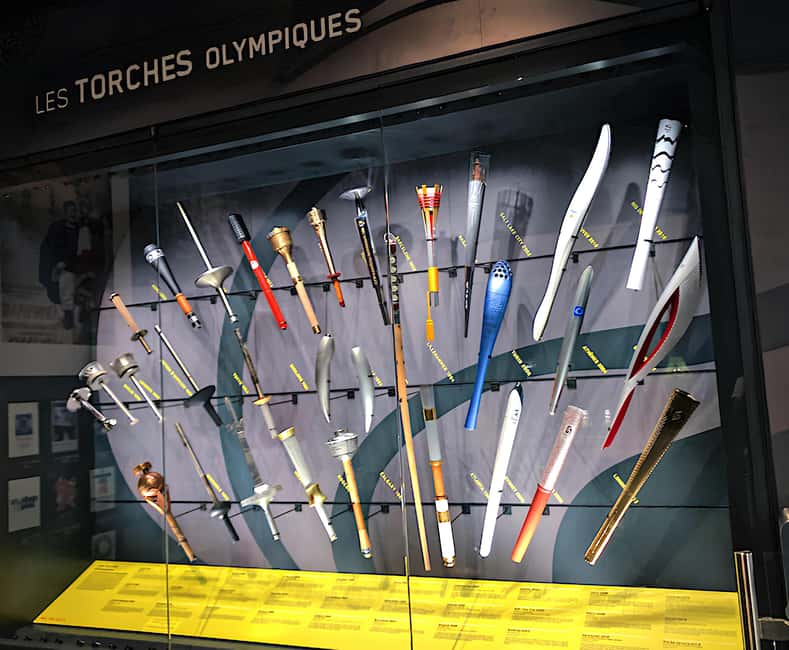
- Olympic torches: a major draw and a great anchor point for the visit
- Challenge-based layout: personal, one-on-one, collective, and beyond-limits sports themes
- Hands-on, interactive museum design: built to help you understand how performance changes under pressure
- Temporary exhibitions (500+ m²): enough room for new topics to keep repeat visits interesting
- No guided tour included: you’ll rely on signage, your own pace, and optional on-site formats
What this museum is really about: challenge in four acts
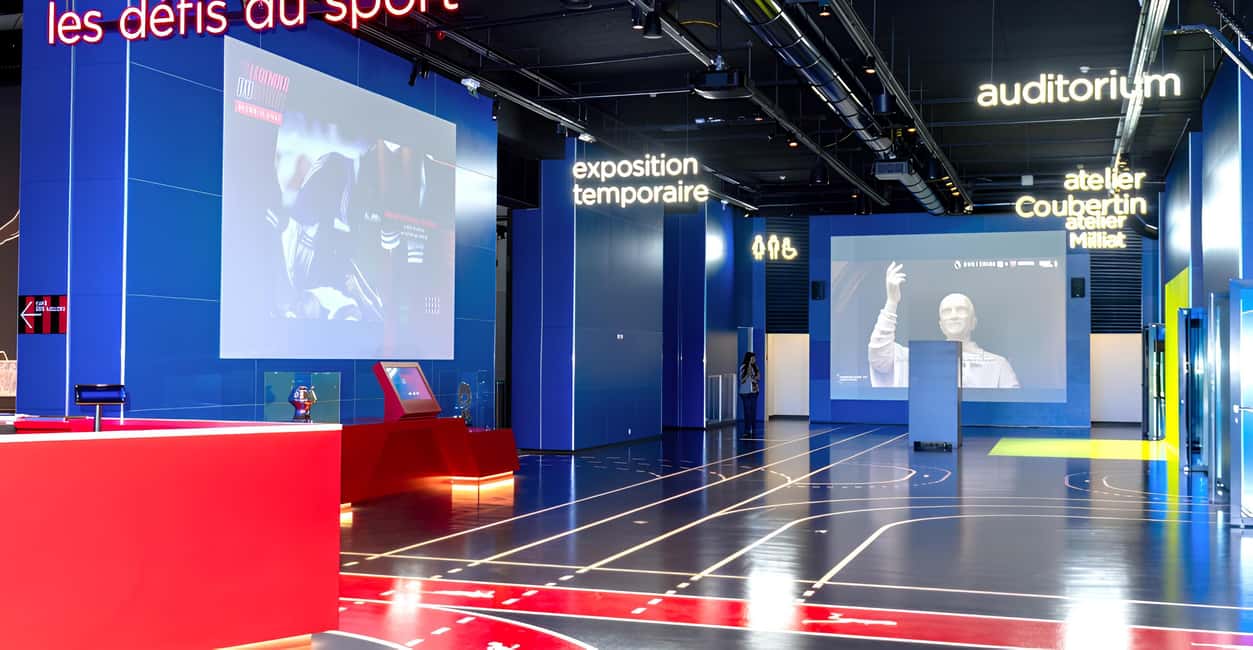
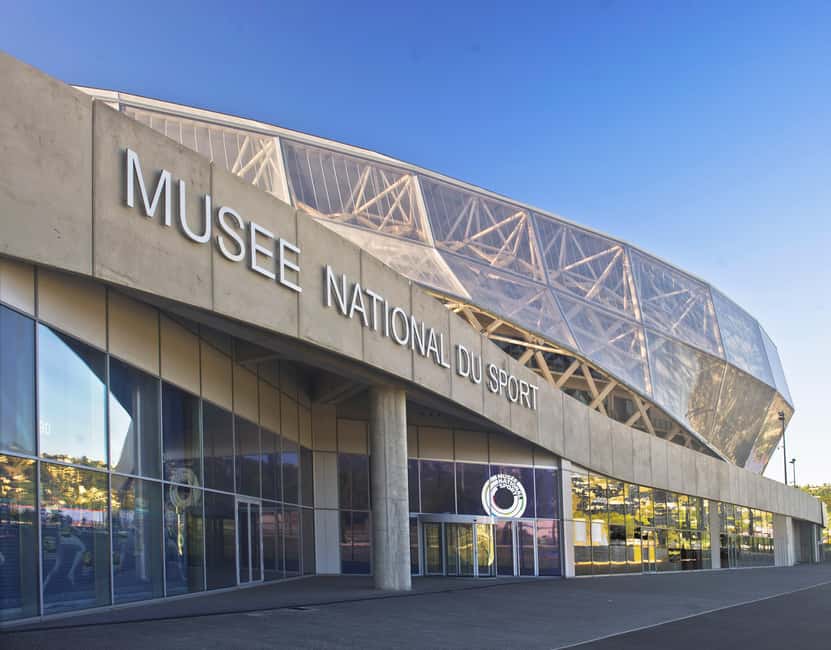
The Musée National du Sport is more than a trophy room. It’s built like a museum of society—how sport shapes people, communities, and identity—and it frames the whole experience around a single idea: challenge.
Instead of wandering through random sports categories, you move through four theme stages. That structure matters because it helps you connect very different activities under one umbrella. You’ll see how athletes train for personal limits, how head-to-head competition changes the mindset, and how teams turn pressure into coordination.
Personal challenge: the body meets the clock
This section groups sports that spotlight individual effort and technique: athletics, cycling, swimming, skiing, and riding. It’s a smart starting point because even if you’re not a sports fanatic, you understand the core question: Can you improve, repeat, and push through fatigue?
If you like museums that explain systems rather than just show objects, this is one of the strongest parts. You’ll likely spend extra time here simply because the sports feel familiar, even when the presentation goes beyond simple photo displays.
One-on-one challenge: skill under direct pressure
Next comes boxing, tennis, martial arts, and fencing. The theme is immediate: in these sports, your opponent isn’t background noise—they’re part of the challenge itself.
This is where the museum concept becomes easier to read. You’re not just looking at sport; you’re learning why timing, reflex, distance, and strategy matter when it’s just you and another person.
Collective challenge: teams turning effort into coordination
Then the museum shifts to football, rugby, handball, volleyball, and basketball. Team sports are a different kind of pressure—less about one moment and more about repeating good decisions together.
This section works well if you enjoy the social side of sport. Even without a guide, you can follow the logic: collective challenge means communication, roles, and momentum, not just individual talent.
Challenges beyond the limits: when sport becomes risk
Finally, you get into the bold stuff: extreme climbing, solo sailing, and conquering the skies. This isn’t only about bravery for its own sake. It’s about pushing boundaries in ways that force you to think about preparation, mental focus, and consequences.
This last stage is ideal for visitors who like stronger emotions in their museum visits. It’s also the part where you may want to slow down and read the context, because the displays can feel more conceptual than traditional sports memorabilia.
Wandering the galleries at your own pace (and why that’s a feature)
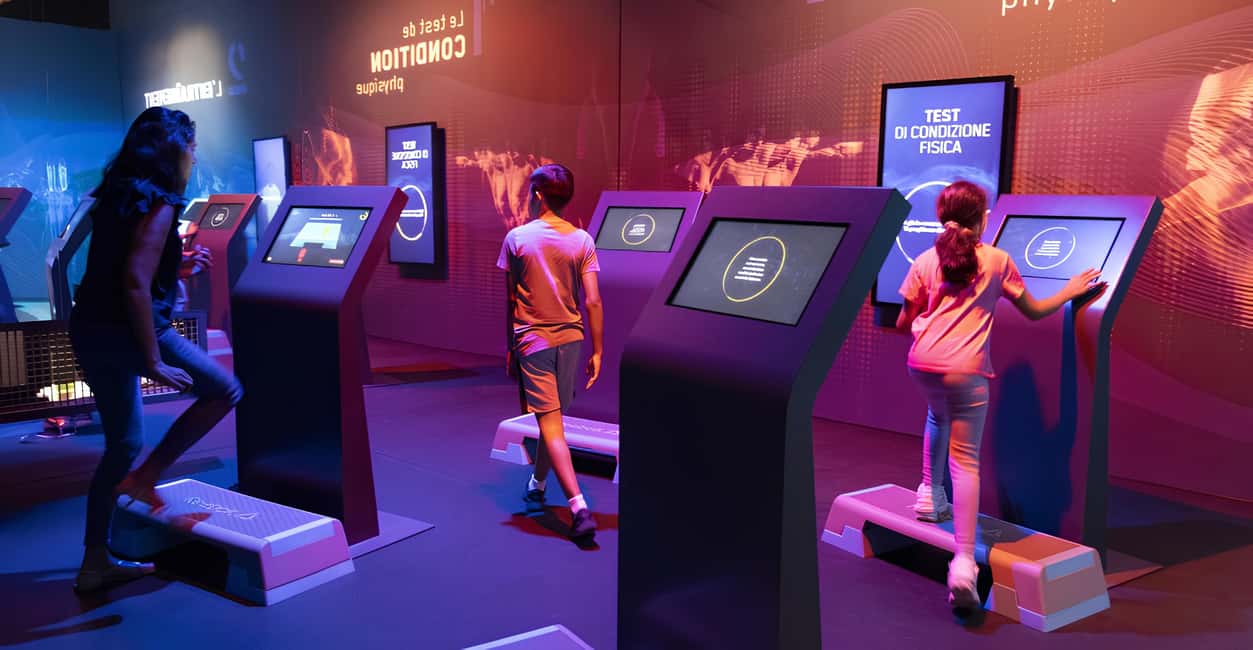
Your ticket is valid for one day, and you’re free to spend as much time inside as you want. That freedom is a big deal here because the museum is interactive and theme-based. If you only have a short attention span, you may still enjoy it—but you’ll get more from it if you’re willing to linger.
A self-paced visit also means you can follow your curiosity. Some people will head straight for the Olympic torch display area first. Others will start with whatever sport they care about most. Either way, the museum’s structure is built to support that flexibility.
Interactive experience: make the museum do some work for you
The museum is designed as an innovative, interactive visit. Even when you’re not running around trying every station, the interactive approach generally makes you read with purpose. You’re not just scanning facts—you’re trying to connect the theme to what sport demands from a person.
One practical tip: take breaks when you feel your brain switching gears. Sports themes jump from athletics to combat sports to team games. That variety is the point, but your energy levels will decide how much you remember.
Temporary exhibitions: 500+ m² of something new
Alongside the permanent concept, you’ll also have access to temporary exhibitions. They cover more than 500 m² and focus on specific themes or current topics.
This matters for two reasons. First, it gives the museum a living feel instead of staying stuck in one era. Second, it gives you a reason to adjust your route—if the temporary show is about something you care about, it can become your main storyline of the day.
Olympic torches: the part that usually hooks first-time visitors
If you want a quick win that also grows into a deeper museum moment, start with the Olympic torch collection. It’s one of the museum’s highlights and it gives you a concrete symbol right up front.
Torches aren’t just objects. They’re storytelling devices—linking tradition, ceremony, host cities, and the idea of global competition. Seeing them in a museum context helps you move beyond the TV version of the Olympics.
I like having an anchor display like this because it helps your brain organize everything else. After the torch section, the theme of challenge feels more human. You understand that sport isn’t only about winning—it’s about the long chain of preparation, pressure, and cultural meaning.
The stadium tour option: plan your timing like a grown-up
One of the biggest mentions connected to this museum is a stadium tour, offered in French and English. It sounds like a meaningful add-on because it expands the visit beyond galleries and into a more physical sports setting.
Here’s the catch: some on-site components can run on limited hours. If your day is built around that stadium tour, don’t leave it to the last minute. Check the schedule when you arrive and map your museum time around it.
Even if you don’t do every extra option, use this rule of thumb: torch and core exhibitions first, stadium tour second, and temporary exhibitions last if you still have energy. That order reduces the risk of a time crunch.
Also note what the museum is and isn’t. Your ticket is museum entrance, and this is not described as a guided tour. If you want interpretation, you’ll likely rely on signage and any optional on-site formats rather than expecting a dedicated guide with you the whole time.
Rules that affect your comfort: what you can’t bring in

Small rules can change how pleasant a visit feels, especially if you’re traveling with kids or you’re prone to museum snack breaks. Here’s what you need to plan for based on the on-site policies provided:
- Food and drinks aren’t allowed inside the museum spaces.
- Flash photography isn’t allowed.
The good news: there’s a shop on-site where you can buy drinks. That helps a lot, because you won’t feel stuck if you need a water stop during a longer visit.
If you’re visiting in hot weather, I’d bring a simple strategy: drink water before you enter, then use the shop when you need it. It keeps the day smooth and avoids awkward mid-visit compromises.
Price and value: how $9 can be a bargain or a disappointment
At about $9 per person, the Musée National du Sport can be a strong value—especially if you actually use the freedom of time. A one-day museum ticket works best when you slow down and connect the theme to the exhibits.
Where the value improves:
- You like interactive, theme-based museum design
- You enjoy seeing multiple sports explained through one concept
- You can spare time for both permanent galleries and temporary exhibitions
Where you might feel less satisfied:
- You want a quick, guided walkthrough
- You only have time for one small section
- You’re planning your day tightly around an optional stadium tour with limited operating hours
Also, free admission can dramatically change the equation. Children under 18 can enter for free, and free admission also applies to disabled persons, Pass Education holders, unemployed persons, ICOM Members, journalists, Night of Museums, Heritage Days, and during the first Sunday of each month from October to March. If you qualify, you’ll get even more value out of spending extra time inside.
Who this museum suits best (and who should temper expectations)
This is a good match if you enjoy museums that use ideas, not just artifacts. The theme of challenge makes it easier to relate sport to psychology, training, competition, and teamwork. It’s also kid-friendly in at least some ways, since the presentation is interactive and there’s a variety of sports topics.
You’ll likely enjoy it if:
- You’re curious about sport as culture, not only sport as entertainment
- You like going at your own pace for 1 day
- You want a stop that feels active and modern, not dusty
You may want to adjust your expectations if:
- You’re looking for a purely guided experience (your ticket doesn’t include a guide)
- You prefer only the most famous athletes and moments, with minimal reading or interpretation
- You’re counting on a long lineup of structured activities without checking hours
If you’re a first-time visitor who loves sports symbols, the torch collection can be your comfort point. If you’re more of a concept person, the challenge layout will keep you engaged from room to room.
Practical tips for a smooth self-paced day
Because this is not a guided tour, your success depends on how you structure your time. You don’t need a complicated plan, just a few smart choices.
Start with your favorite sport or the torch display
If Olympic history grabs you, begin with the torch area. If your brain is more motivated by athletics, cycling, or another sport, start there. Either approach sets your focus for the rest of the museum.
Use temporary exhibitions as your flexible wildcard
Temporary shows can change the pace of the day. If one topic really pulls you in, give it the time you’d normally reserve for a highlight gallery. If it doesn’t, you won’t lose the day—your main story is still the four-stage challenge concept.
Budget for reading time
Even if the displays are interactive, some of the value comes from the explanations. Plan for that. Museums like this can feel much more rewarding when you slow down and actually connect the dots.
Be mindful of what you can’t do
No flash photography and no food or drinks indoors means you’ll want to keep your day simple. Use the shop for drinks, and save snacks for outside the museum.
Should you book this Musée National du Sport ticket?
Book it if you want a 1-day museum that treats sport like a human story, not just a wall of memorabilia. The Olympic torches, the challenge-based layout, and the chance to spend time at your own pace make it a solid value at $9.
Skip or rethink if you only want a quick guided experience with lots of verbal context. Since no guide is included and some extra components can have limited hours, you’ll need to do your homework on timing once you arrive.
If your ideal travel day includes walking galleries, learning through themes, and keeping control of your pace, this one fits.
FAQ
Do I get a guide with the ticket?
No. This is not described as a guided tour, and the ticket includes museum entrance fees only.
How long is the experience?
The ticket is valid for 1 day.
Can I stay as long as I want inside the museum?
Yes. You can spend as much time as you like and explore at your own pace.
What’s the main theme of the museum?
The tour is organized around the notion of challenge, shown in four stages: personal challenge, one-on-one challenge, collective challenge, and challenges beyond the limits.
Are Olympic torches included in the visit?
Yes. You can see all the Olympic torches as part of the museum experience.
Is the museum wheelchair accessible?
Yes, it is wheelchair accessible.
Is food or drink allowed inside?
No. Food and drinks are not allowed.
Are children eligible for free admission?
Yes. Children under 18 have free admission.