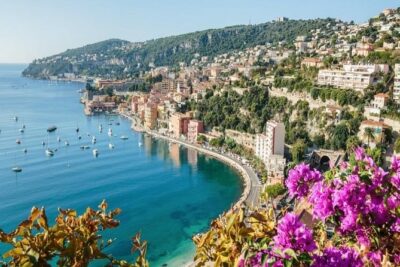
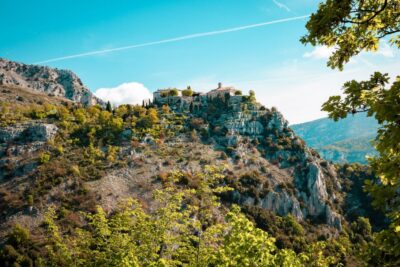
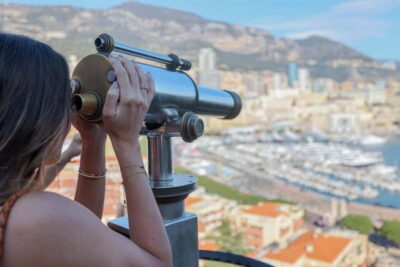
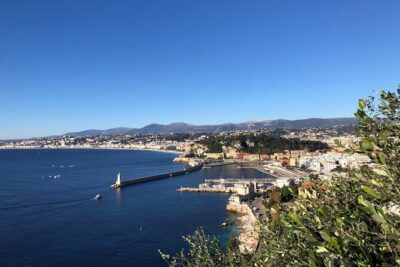
Wine tastes better when you meet the makers. This private day in the hills around Nice focuses on Bellet AOP, so you’re not just sampling wines on autopilot. You’ll tour working vineyards and cellars, taste about 15 different wines, and get an all-day guide who can explain what you’re drinking as you go.
I especially love the private feel and the chance to talk wine with real producers, not just a scripted tasting. You may even catch a guide like Frank, Peter, or Erwan, each with their own angle, and at least one guide is described as a trained sommelier. The main drawback to plan for is the full 8-hour pace, plus lunch is on your own in Saint-Paul-de-Vence.
In This Review
- Key highlights worth clearing your calendar for
- Bellet AOP: the Riviera’s wine you’ll remember
- Domaine De La Source: morning vineyards near Nice
- Chateau de Cremat: more producer time, more contrast
- Saint-Paul-de-Vence lunch: the break that refreshes your palate
- Saint Jeannet and Vignoble Rasse: tradition you can taste
- The tasting format: about 15 wines, guided and structured
- Guides make the difference: Frank, Peter, Erwan, and the sommelier advantage
- Transportation and timing: the 8-hour logistics you should plan for
- Price and value: what $564.72 per person really covers
- Who should book this tour
- Practical tips so the day feels easy
- Should you book this Private Wine Tour of the French Riviera?
- FAQ
- How long is the Private Wine Tour of the vineyards on the French Riviera?
- What time does the tour start?
- Is pickup included?
- Does the tour include lunch?
- How many wines will we taste?
- Is this a private tour?
- What if the weather is bad?
Key highlights worth clearing your calendar for
- Bellet AOP first thing in the morning: a Riviera appellation you’ll actually learn how to read
- Meet-and-taste at multiple vineyards: producer visits, cellar time, and vine walks
- About 15 wines tasted: enough variety to start noticing patterns (not just one “nice” glass)
- Saint-Paul-de-Vence lunch stop: medieval village time built into the day
- Traditional methods in the hills: including mentions of Braquet and wine aged in glass amphora
Bellet AOP: the Riviera’s wine you’ll remember
If you’ve only tried Provençal reds and rosés, Bellet can be a pleasant shock. This area is tied to Nice, and the wines come from a mix of local know-how and hillside growing conditions. On this tour, you’re not left to guess what you’re tasting. Your guide keeps the story grounded in what’s happening in the vineyards and cellars.
What I like most is the way this day is built around wine culture, not a checklist of photo spots. You’re tasting multiple stops, and you get time to walk in the vines, smell the surroundings, and then connect that sensory experience to the glass. It’s a simple idea, but it works because you’re paying attention while the wine is still fresh in your head.
Also, you’ll see how Bellet fits into Côte d’Azur life. The itinerary mixes countryside cellar time with the medieval village of Saint-Paul-de-Vence, so your day doesn’t feel like one long stretch of tasting rooms.
Domaine De La Source: morning vineyards near Nice
The morning starts with a stop at Domaine De La Source, where you meet the people making the wine and see the production side up close. Expect a guided visit that includes the cellars and winery spaces, plus a chance to wander through the vines. That vine walk matters more than it sounds. You get a real sense of the terrain and the atmosphere, which makes the later tastings easier to follow.
This is the moment to ask questions. If you’re the type who wonders why one white tastes crisp while another tastes more rounded, now is when you can get answers while you’re standing in the place the grapes grew. The guide is on hand all day, so you can also revisit earlier themes later and see how the style changes from one producer to the next.
One thing to watch: morning tastings can move fast, especially when you’re tasting across many wines. Hydrate early, sip slowly, and don’t feel you have to “finish everything” to get your money’s worth. You paid for context as much as for wine.
Chateau de Cremat: more producer time, more contrast
Next up is Chateau De Cremat, another stop built around the same core idea: producers, cellars, and tastings with guidance. Here, the value is in contrast. When you taste at multiple vineyards, you start picking up what’s consistent and what changes—grape choice, vinification style, and how each maker interprets the Bellet identity.
Some tours just throw you into a room with the same handful of samples. This one keeps you connected to the process. The guide’s job isn’t just to pour; it’s to talk through what you’re experiencing—wine making culture, tasting technique, and how to think about pairings.
If you’re a wine person, you’ll probably enjoy the chance to compare notes out loud with your guide. If you’re not a wine person yet, don’t worry. The guide can translate jargon into plain language, and you’re given time to ask what you should actually focus on during a tasting.
Saint-Paul-de-Vence lunch: the break that refreshes your palate
Between vineyard stops, you get time to explore Saint-Paul-de-Vence, including lunch on your own. This is one of the best parts of the day, because it gives your brain a breather. You can wander the medieval streets, take in the views, and do some shopping if that’s your thing.
Since lunch isn’t included, you control the budget and the timing. That’s a plus if you have dietary needs or want to pick a place that matches your vibe—quick and casual, or sit-down and slow. The only catch is that a “walk and eat” day can add up. Plan to set aside cash or a card buffer for lunch and snacks.
Practical tip: give yourself permission to move at a relaxed pace here. If you leave lunch feeling rushed, you’ll miss the point of the midday break.
Saint Jeannet and Vignoble Rasse: tradition you can taste
In the afternoon, the tour heads toward Saint Jeannet, where you’ll meet a winemaker dedicated to preserving traditional wine-making methods in harmony with the local environment. This part of the day tends to stick in your memory because it’s where you can feel the difference between modern convenience and older craft.
The vineyard visit leads into a tasting, and this is where some memorable specifics come up. One highlight mentioned is the first Braquet wine—Braquet being a grape native to the Bellet region. If you like discovering something new rather than re-tasting familiar bottles, this is the moment to pay extra attention.
There’s also mention of wine aged in glass amphora at one stop, which is the kind of detail that instantly helps you understand why flavors might shift in a unique way. Even if amphora aging isn’t explained as a “fun fact,” it’s the kind of background that makes your tasting notes more interesting.
And don’t ignore what your guide says about technique. When someone explains why a wine tastes the way it does, you’re not just learning facts—you’re learning how to taste better next time, back home.
The tasting format: about 15 wines, guided and structured
The included wine tastings are substantial: you’ll taste about 15 different wines across the day. That’s a lot, and it’s also why the guide matters. Without guidance, a multi-winery tasting can blur together. With guidance, you start noticing patterns: fruit level, acidity, how the wine finishes, and the way the maker’s choices show up in the glass.
Your tour includes wine, bottled water, and all fees and taxes. So when you’re tasting, you’re not also doing mental math about whether each sip turns into a separate expense. That’s part of the value equation.
Also included in the food side: you’ll taste local olives (and you’ll learn about Olives de Nice, plus olive oils as part of the experience). It’s a smart pairing move. Salt and fat from olives can make wine taste more vivid, especially if you’re going through many styles in one day. It’s not just “snack time.” It’s tasting practice.
Guides make the difference: Frank, Peter, Erwan, and the sommelier advantage
This is a private tour, which means your guide isn’t splitting time across strangers. That matters when the day is built for conversation. You can ask why one wine feels lighter while another feels heavier, or what to pay attention to when you’re tasting at your next stop.
In the reviews, the guides are highlighted by name, including Frank (also spelled Franck), Peter, and Erwan. One review specifically calls out a guide described as a trained sommelier, which is a real differentiator if you want more depth than basic tasting explanations.
One more practical perk: help arranging wine shipping home came up more than once in the feedback. If you’re planning to buy bottles, ask your guide before you decide what to take. Shipping isn’t always simple, and it helps to know your options while you’re still on the ground.
Transportation and timing: the 8-hour logistics you should plan for
You start at 9:30 am and the tour runs about 8 hours. There’s an air-conditioned vehicle, and pickup is offered from your hotel, the airport, or the cruise port. You’ll also have a mobile ticket, and the tour is in English.
This matters because vineyard days aren’t just about tasting. You’re investing time in travel between stops and factoring in the pace of visits and tastings. If you’re coming from the beach or from a late night, consider whether you can comfortably handle a structured morning and early afternoon. Good shoes help too, since vine and cellar areas may involve uneven ground.
Because the tour is described as requiring good weather, keep a flexible attitude about rain. If weather forces a change, you’ll be offered a different date or a full refund.
Price and value: what $564.72 per person really covers
At $564.72 per person, this is not a budget wine day. But it also isn’t just a ticket to drink in a room. You’re paying for a private format, round-trip-style pickup, air-conditioned transportation, and a guide who stays with you all day.
You also get something many cheaper tours don’t: multiple vineyard experiences plus a meaningful break in Saint-Paul-de-Vence. The cost makes more sense when you treat the day as a guided wine education plus curated geography—Nice region wineries in the morning and a medieval village lunch break in the afternoon.
One more value point: about 15 wines and local food tastings are included. If you tried to replicate that on your own, the time and coordination would eat into the fun fast, especially if you’re not already familiar with Bellet producers.
If you’re traveling with a smaller group and want maximum attention from the guide, private tours usually feel more “worth it” than they seem at first glance. If you’re happy wandering and doing casual tastings independently, a private format may feel like extra spending.
Who should book this tour
This tour is a strong fit if you want:
- Bellet-focused wine time rather than generic “French Riviera wine”
- A guide-led day with explanation during tastings
- A mix of countryside winery visits and a real village break in Saint-Paul-de-Vence
- Enough wine variety to learn your preferences, not just taste a couple samples
It’s especially good for couples, wine lovers, and people who enjoy asking questions. If you’re traveling with non-wine friends, the village stop helps keep the day from becoming one long lecture.
Practical tips so the day feels easy
A few simple choices can make a big difference on a day like this.
Wear comfortable shoes for walking in vine areas and around the village. Bring a light layer too—cellars can feel cooler than the outside air, and you’ll bounce between both.
During tastings, pace yourself. Ask your guide what to focus on for each stop, then take brief notes. Not because you’ll need them later, but because it keeps your brain switched on instead of drifting after the fifth pour.
If you’re considering shipping wine, ask early. One of the nicer surprises from the feedback is that some guides can help arrange shipping back to the US. Even if you don’t plan to ship, the advice can prevent mistakes when you’re buying bottles.
Should you book this Private Wine Tour of the French Riviera?
Book it if you want a Bellet-first, producer-meet day with a guide who can explain what you’re tasting and why it matters. The private format, the guided tasting pace, and the inclusion of Saint-Paul-de-Vence lunch time make it feel like a planned experience rather than a rushed tour bus day.
Skip it (or think twice) if you’d rather choose your own vineyards and restaurants with zero structure, or if you’re not up for an 8-hour schedule that includes a lot of tasting. Also, if you dislike the idea of wine-focused travel entirely, the day will still include tasting as a core activity—you’ll want to be on board with that.
If you like learning while you travel, and you want Nice’s wine identity served on a platter (with olives on the side), this is a solid choice.
FAQ
How long is the Private Wine Tour of the vineyards on the French Riviera?
It runs about 8 hours.
What time does the tour start?
The start time is 9:30 am.
Is pickup included?
Yes. Pickup is offered from your hotel, the airport, or the cruise port (send the address of your accommodation).
Does the tour include lunch?
Lunch in Saint-Paul-de-Vence is not included. You’re free to choose from restaurants and cafés there.
How many wines will we taste?
You’ll taste about 15 different wines.
Is this a private tour?
Yes. Only your group participates.
What if the weather is bad?
This experience requires good weather. If it’s canceled due to poor weather, you’ll be offered a different date or a full refund.
If you want, tell me your travel month and whether you’re driving or staying near Nice’s center. I can suggest how to time the day so you don’t feel rushed before the 9:30 am start.