REVIEW · NICE
Nice: Allianz Stadium and National Sports Museum Tour
Book on GetYourGuide →Operated by Musée National du Sport · Bookable on GetYourGuide
Two hours can feel like match day. Allianz Riviera behind-the-scenes plus the National Sports Museum make this small package a real treat for sports lovers. I also like that the visit ties French sport history to today’s big moments, including the Olympic and Paralympic focus connected to Paris 2024. One drawback to plan around: the tour is mainly in French, with some information translated into English, so non-French speakers may miss a bit if you’re expecting full English throughout.
The pacing is tight but sensible: you start with the museum, then shift into stadium territory with a safety briefing and access to spaces most people never see. I especially pay attention to guides who can explain what I’m looking at, and one guide named Lisa is repeatedly praised for guiding smoothly.
This is also good value for the price. At around $21 per person for a guided stadium + museum experience, you’re paying for time with an interpreter-style guide, not just entry tickets.
In This Review
- Quick hits: what makes this tour worth your time
- Meet at the National Sports Museum: your tour’s story starts here
- Allianz Riviera tour: from safety briefing to pitch-side reality
- Why going backstage makes sense (and not just for photos)
- National Sports Museum: sport from Antiquity to today
- The Paris 2024 connection: Olympics and Paralympics on the agenda
- Price and value: what $21 buys you in real time
- Language and pacing: the one thing to plan for
- Who should book this tour in Nice
- Should you book the Allianz Riviera + National Sports Museum tour?
- FAQ
- Where do I meet for the tour?
- How long is the tour?
- What languages is the tour offered in?
- Is the ticket tied to a specific time?
- Can children join for free?
- What if my plans change?
Quick hits: what makes this tour worth your time
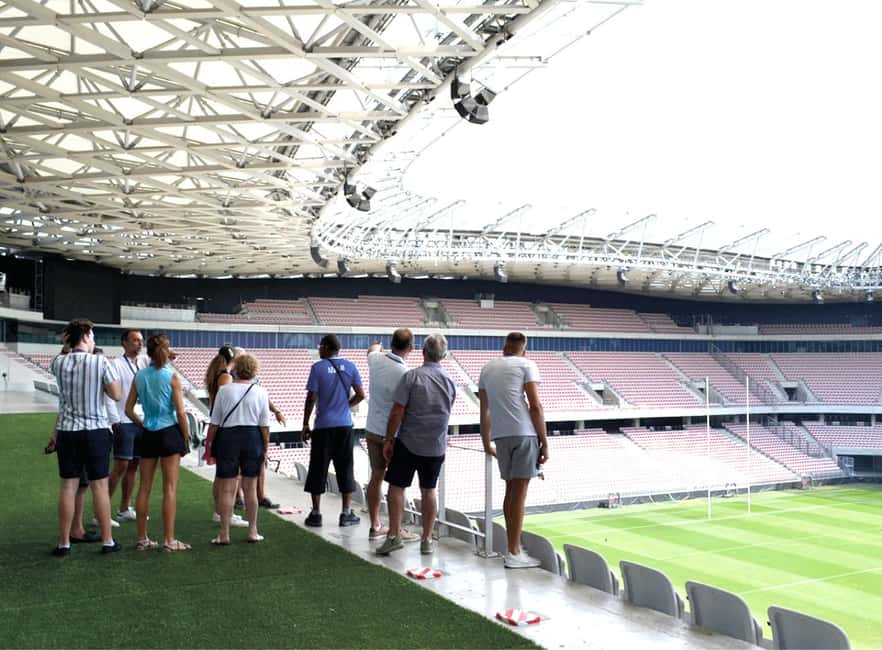
- Behind-the-scenes Allianz Riviera access: dressing rooms, pitch-side areas, and the press zone
- A safety briefing before you go in: you’ll know where you can stand and how to move through the stadium spaces
- Museum context for French sport: exhibitions trace sport from Antiquity to today
- Olympiques 2024 energy, plus a future exhibition: the new Paris 2024 Olympic and Paralympic show opens in February 2026
- French-first guiding with partial English support: great if you know some French, workable if you don’t
- 2 hours total: ideal if you want a focused sports hit without turning your day into a full museum marathon
Meet at the National Sports Museum: your tour’s story starts here
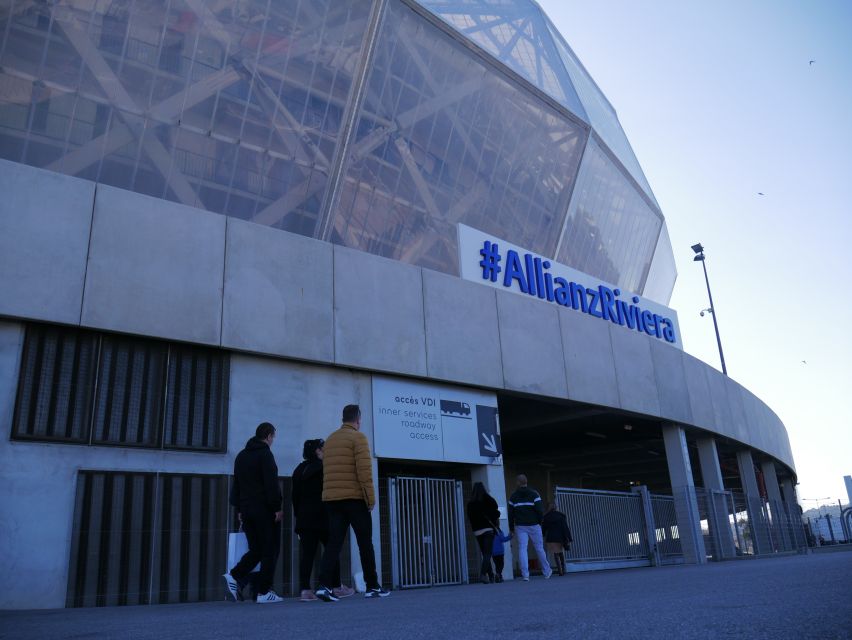
You begin at the National Sports Museum, and the timing matters. You’ll want to arrive about 15 minutes early so the group can start on schedule. This matters more than it sounds—once you switch to the stadium side, you’re moving through areas that require coordination.
The smart part of starting in the museum is that it gives your eyes something to look for later. The museum’s exhibitions trace sport from Antiquity to modern times, so you’re not just seeing a stadium as architecture. You’re also seeing it as a symbol of how sports grew, changed rules, and shaped public life in France.
If you’re traveling with someone who loves context, this stop is the glue. The museum helps explain why a place like Allianz Riviera feels important today. And if you’re the practical type, it also sets expectations fast: the tour isn’t trying to turn into a self-guided wander. It’s a guided story with a clear arc.
Language note: the tour is guided in French, with some parts translated into English. If you speak little French, don’t panic—just keep your focus on what the guide is pointing out physically (sports artifacts, the structure of exhibits, and the bigger themes). Those visuals carry a lot of the meaning.
You can also read our reviews of more museum experiences in Nice

Allianz Riviera tour: from safety briefing to pitch-side reality
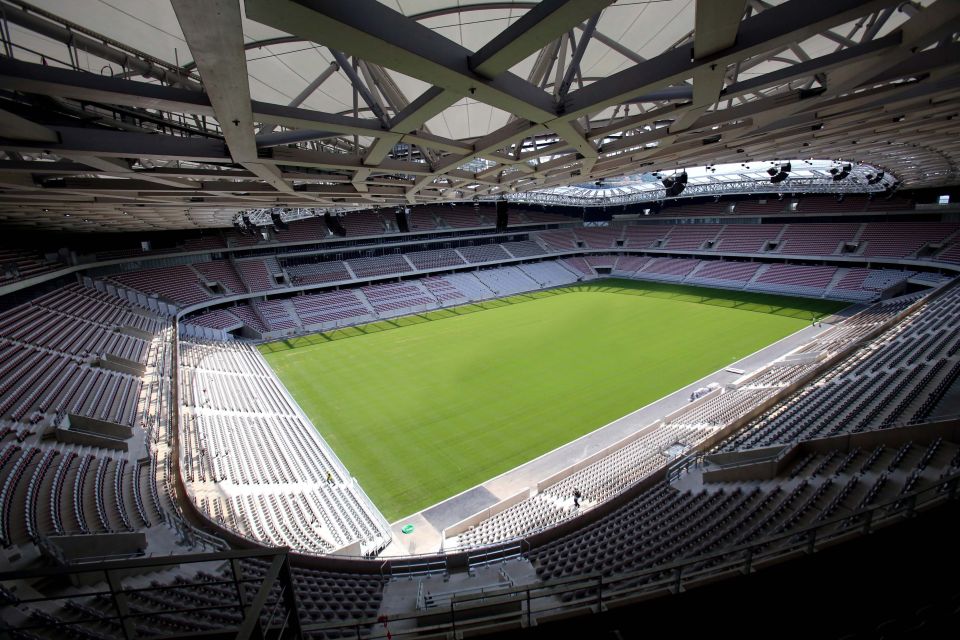
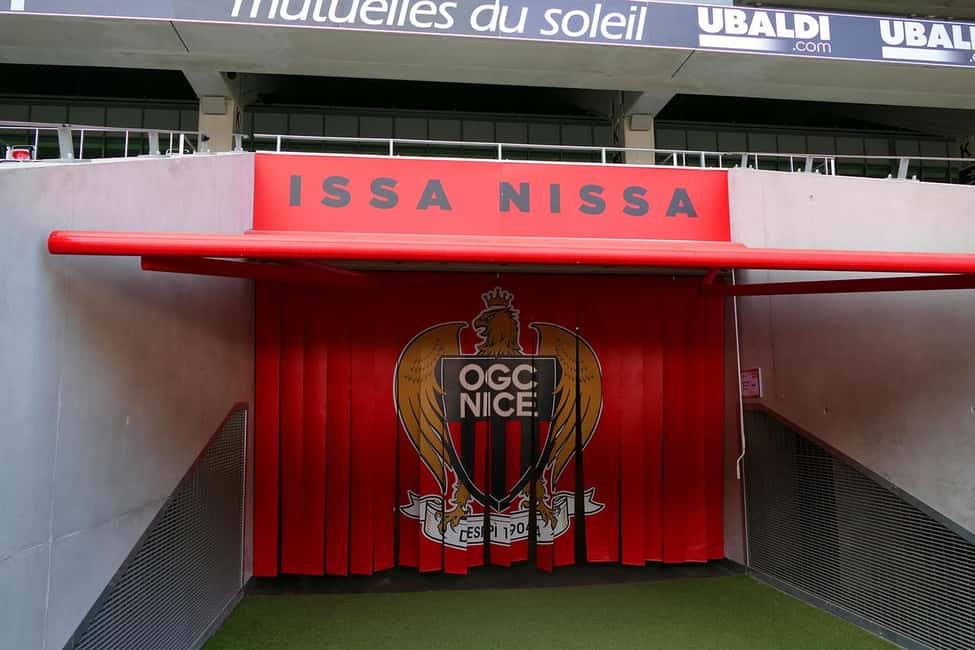
After the museum, you move into Allianz Riviera, and the mood shifts from gallery pace to match-day pace. You’ll get a guided stadium visit that includes a safety briefing (about an hour). That briefing is a useful start. It usually means you’ll be moving through stadium areas in a controlled way, not just “look around and hope.”
Here’s what you’re actually excited to see:
- Player dressing rooms: the space that turns a crowd spectacle into a work environment
- Along the pitch: the part of the stadium that changes your sense of scale
- Press area: where the story gets told live, and where match coverage is produced
- VIP and journalist-style spaces: areas that are typically off-limits to the average fan
Even if you’re not a hardcore football person, the behind-the-scenes access gives you perspective. A stadium isn’t only the seats. It’s a workflow. You’ll see the transition points where athletes change modes, where media sets up, and where the performance becomes public.
One thing I’d consider before you go: you only have about two hours total for the whole experience. That means you’ll see a range of spaces, but you won’t have hours to linger. If you love photographing every corner, you may feel a bit rushed in the stadium portion. On the other hand, if you prefer a guided highlights tour that keeps moving, the timing is perfect.
Why going backstage makes sense (and not just for photos)
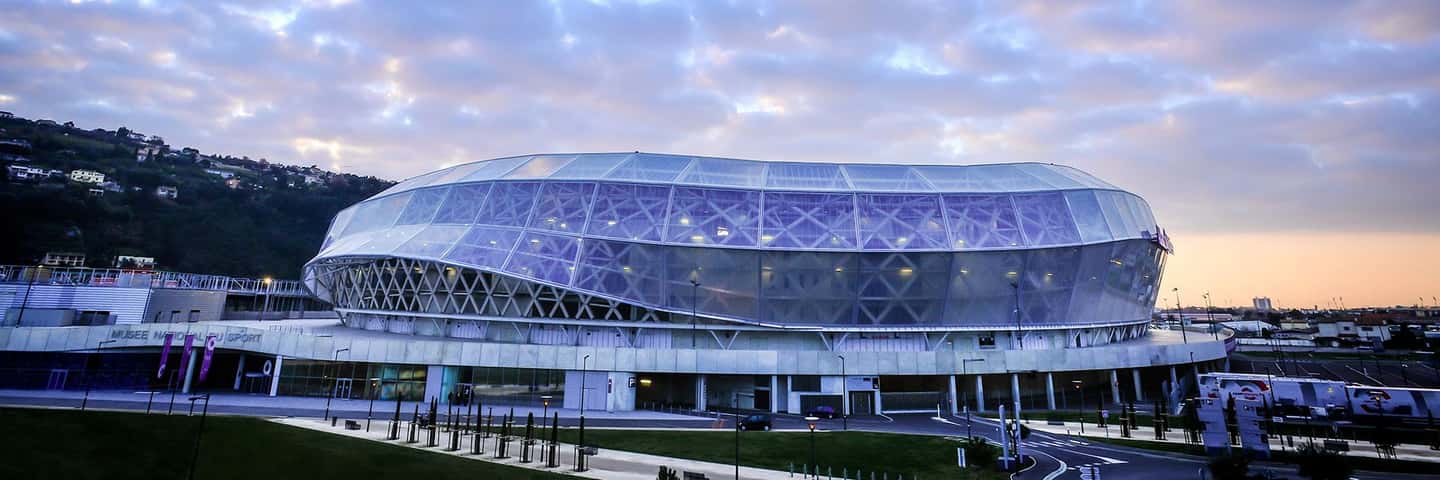
There’s a reason this stadium tour pairs well with a museum visit. The museum teaches you how sport became a long-running cultural thread. Then the stadium shows you what modern sport feels like when everything is built to perform under pressure.
When you stand near the pitch and move through athlete spaces, you start noticing things you’d normally ignore:
- how circulation works inside a venue
- how the press environment connects to the action
- how VIP-style zones change the audience experience
- how modern stadium design supports major events
The tour also frames Allianz Riviera as a modern, international venue built with sustainable development principles in mind. That’s a big deal in 2024-era sports infrastructure. Stadium design isn’t just about capacity and sightlines—it’s increasingly about responsibility, efficiency, and long-term impact.
If you care about architecture or “how buildings work,” the stadium portion will feel especially satisfying. If you care mainly about vibes, the backstage access still delivers because it connects the emotional payoff to the real spaces where sport is prepared.
National Sports Museum: sport from Antiquity to today
Back in the museum, the focus shifts to stories over sensations. The exhibitions cover sport history from Antiquity to our days, so you get a sense of how physical competition evolved alongside societies, technology, and rules.
This stop is valuable even if you don’t know much about French sports. You don’t need an encyclopedia in your head; the guided approach helps you organize what you see into “then vs. now.”
A practical tip: if you want to remember this museum later, pay attention to themes the guide repeats—things like major changes in training, competition structures, and how audiences shifted over time. Those patterns make the museum feel less like random objects and more like a timeline you can carry.
And since the tour includes the museum as an equal partner to the stadium, you won’t end up with a one-dimensional experience. You’ll leave understanding the “why” behind the modern “wow.”
The Paris 2024 connection: Olympics and Paralympics on the agenda
One of the tour’s strongest selling points is the Olympic angle—especially the message around Jeux Olympiques 2024 and the upcoming Paris 2024 showcase for Jeux Olympiques et Paralympiques.
The museum includes mention of a new exhibition opening in February 2026 that spotlights the Olympic and Paralympic Games of Paris 2024. That matters because it links a national venue in Nice to a major French moment and keeps the museum’s story current.
Even if you visit before that February 2026 date, the tour framework is already built around that theme. It gives you a narrative thread: sport isn’t frozen in history. It keeps renewing itself and finding new audiences and new formats—including Paralympic sport, which deserves its own space in the conversation.
If your group includes someone who only likes current sports stories, this is the bridge. It prevents the museum from feeling like an antiques shop of athletic gear. It becomes a living timeline that leads toward today’s events.

Price and value: what $21 buys you in real time
At about $21 per person for a 2-hour guided experience, you’re getting two guided components:
- Allianz Riviera stadium access with behind-the-scenes areas
- National Sports Museum guided context
That’s the value equation. You’re not just paying for entry. You’re paying for a guide to translate what you’re looking at, and for access to stadium spaces that most people only see from the outside.
The other big value factor is time. Two hours is short enough that you can fit it on a travel day without sacrificing everything else you want to do in Nice. You’re basically buying a compact “sports overview” that you can build on later with self-guided wandering.
If you’re comparing mentally to museum-only visits, this tour wins because it adds physical, real-world context. And if you’re comparing to stadium-only tours, it wins because you’re not left staring at architecture without understanding its cultural weight.
Language and pacing: the one thing to plan for
The tour is guided in French, with certain information translated into English. That’s helpful, but it’s not the same as full bilingual guiding throughout.
So here’s how to decide:
- If you’re comfortable with French basics (or you like following along with visuals), you’ll likely feel at home.
- If you need 100% English to truly enjoy a guided experience, consider whether partial translation will work for you.
Also, remember the pacing: you’re seeing a range of spaces and exhibits, but you won’t have the luxury of slow, solo time. This isn’t a “sit down and read every placard” kind of tour. It’s a guided sprint through the good parts.
That can be a drawback if you’re a museum person who loves details at length. But it’s a strength if you want to leave with a clear picture and energy for more exploring around Nice.
Who should book this tour in Nice
I’d book this if you fit one (or more) of these:
- You want the stadium experience from the inside, including dressing rooms and the press area
- You like sports history but don’t want to spend half a day piecing it together alone
- You’re traveling with someone who enjoys both modern venues and museum storytelling
- You’re on a tight schedule and want a high-impact 2-hour activity
It’s also wheelchair accessible, which makes it easier for more travelers to enjoy the experience without searching for alternatives.
If you’re traveling with kids: the tour ticket is free for children under 5 years old, which can matter for family budgets. For older kids, this kind of guided “see it, then understand it” approach usually lands well because it switches locations and keeps things moving.
Should you book the Allianz Riviera + National Sports Museum tour?
If you want a sports-focused outing that mixes modern stadium access with real historical context, this is a solid pick. The behind-the-scenes stops—dressing rooms, pitch-side areas, and the press zone—are the kind of access that justifies a guided format. Then the museum ties the experience to a larger story, including the Olympic and Paralympic thread connected to Paris 2024.
I’d hesitate only if your group needs full English throughout. The tour is French-first, and while English translation exists for some information, you should choose this expecting partial support rather than guaranteed bilingual depth.
One more reason to feel good about it: the tour carries a strong average rating of 4.5 based on 301 ratings, which usually signals consistent guide quality and smooth execution.
If you like practical sightseeing that hits multiple interests fast, go for it. If you want a slow, independent museum day with no time pressure, pick a self-guided museum visit instead.
FAQ
Where do I meet for the tour?
You meet at the National Sports Museum, about 15 minutes before the tour begins.
How long is the tour?
The experience lasts 2 hours.
What languages is the tour offered in?
The live guide speaks English and French. The tour is guided in French, with some information translated into English.
Is the ticket tied to a specific time?
Yes. The ticket is valid for the day and time reserved.
Can children join for free?
Yes. The tour is free for children under 5 years old.
What if my plans change?
You can cancel for a full refund up to 24 hours in advance, and there’s also a reserve now & pay later option to keep things flexible.